
All Chapters
Chapter 11 2026

More Than We Measure

AI is forcing a question we have long avoided: what do we value, and does the way we measure progress reflect it? We have organised our economies around what is easy to count rather than what makes us well, and AI, built on the same logic, could widen that gap. We measure what we can sell, and lose sight of what we cannot live without.

Emma Holten traces how economics came to treat price as value, leaving care, the work of keeping each other alive and well, off the books entirely. Meik Wiking, after fifteen years asking people what makes them happy, keeps arriving back at the kitchen table. Angela Oguntala sees, inside the organisations racing to deploy AI, speed breaking trust and old assumptions starting to loosen.

What holds a good life together is small and easily lost. The nod to a neighbour, the chat in the supermarket queue, the attention we give to the people in front of us.

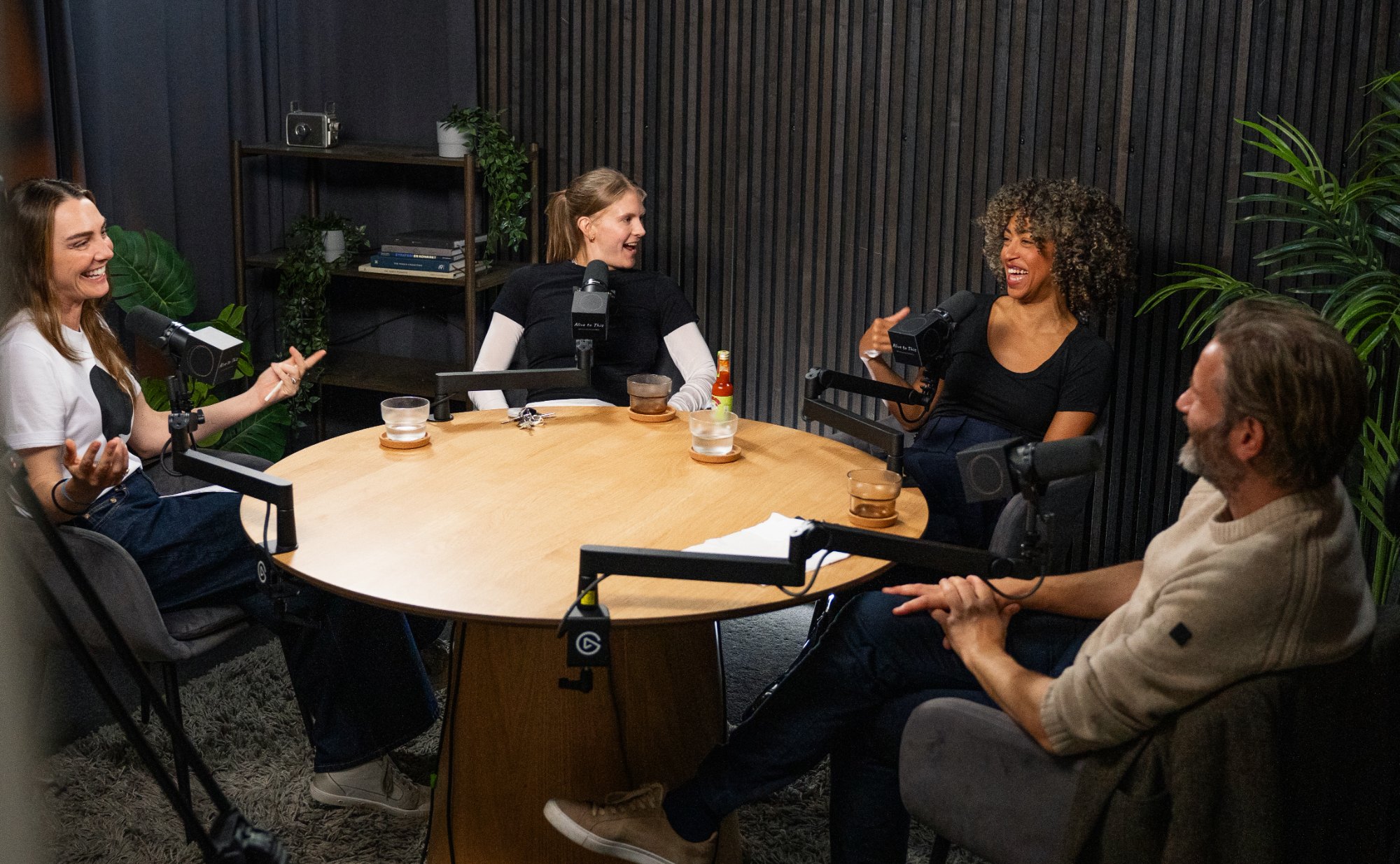
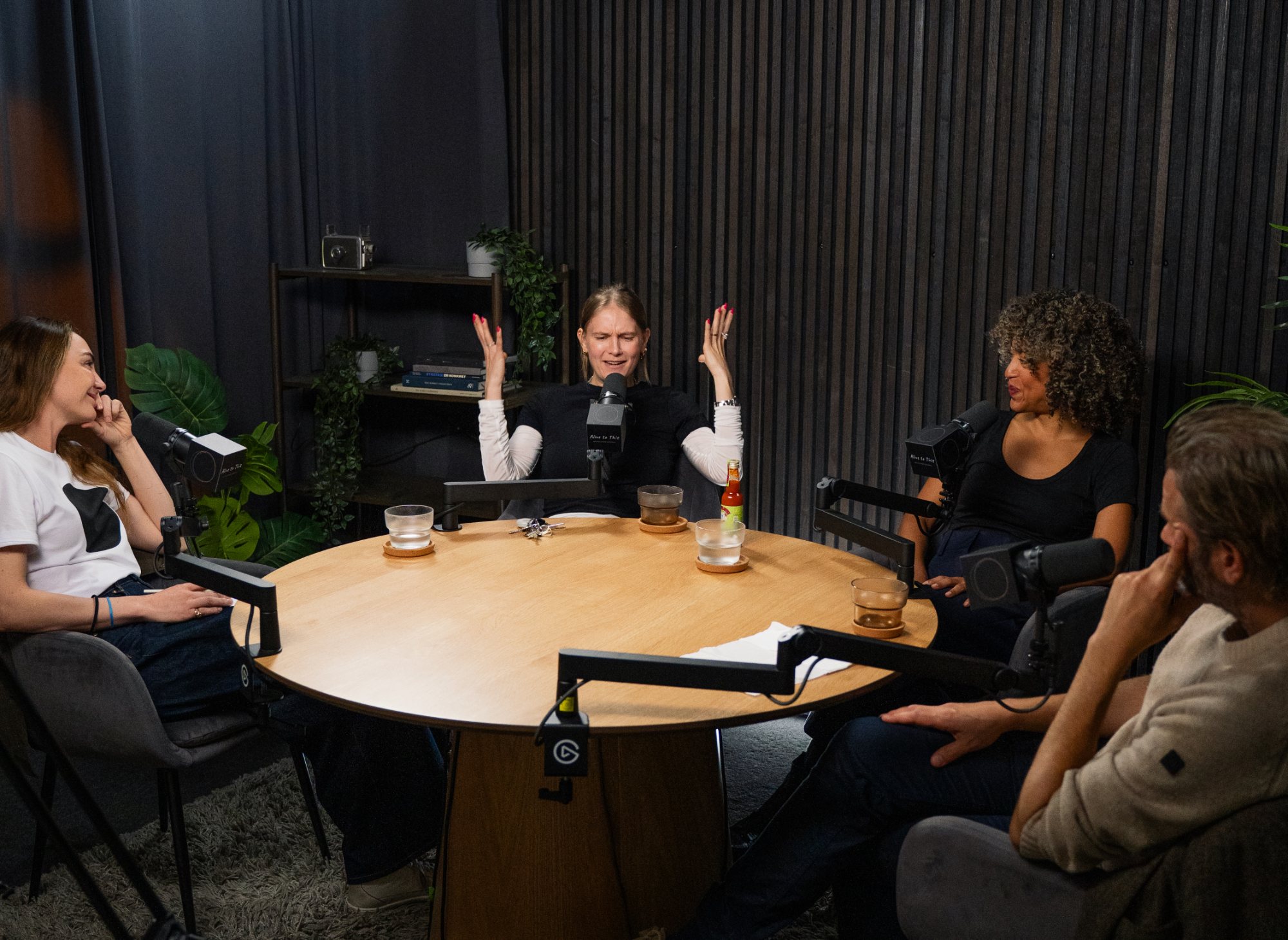
A conversation about what makes a good life, and what we decide is worth more than we’ve been measuring.

Coming Soon
“GDP doesn’t measure what makes life great. It doesn’t measure whether kids climb trees, or whether husbands and wives kiss each other.”

Meik Wiking

“In the models used in finance departments today, no one ever dies. There is no illness. There is no such thing as a family. There is no such thing as children.”

Emma Holten

“I’m not worried about AI becoming like us, but I am worried about us becoming like AI.”

Emma Holten

Show Notes

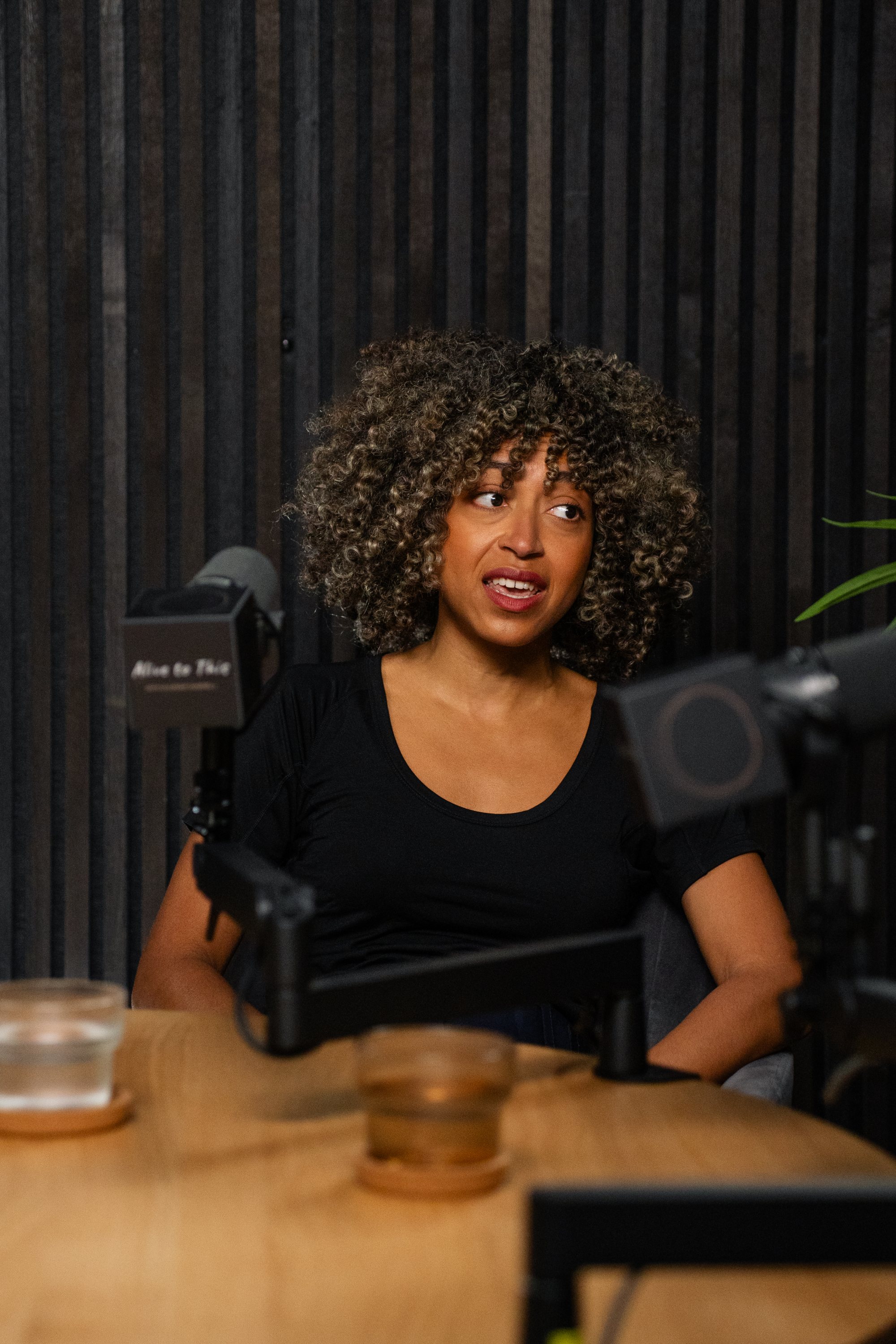
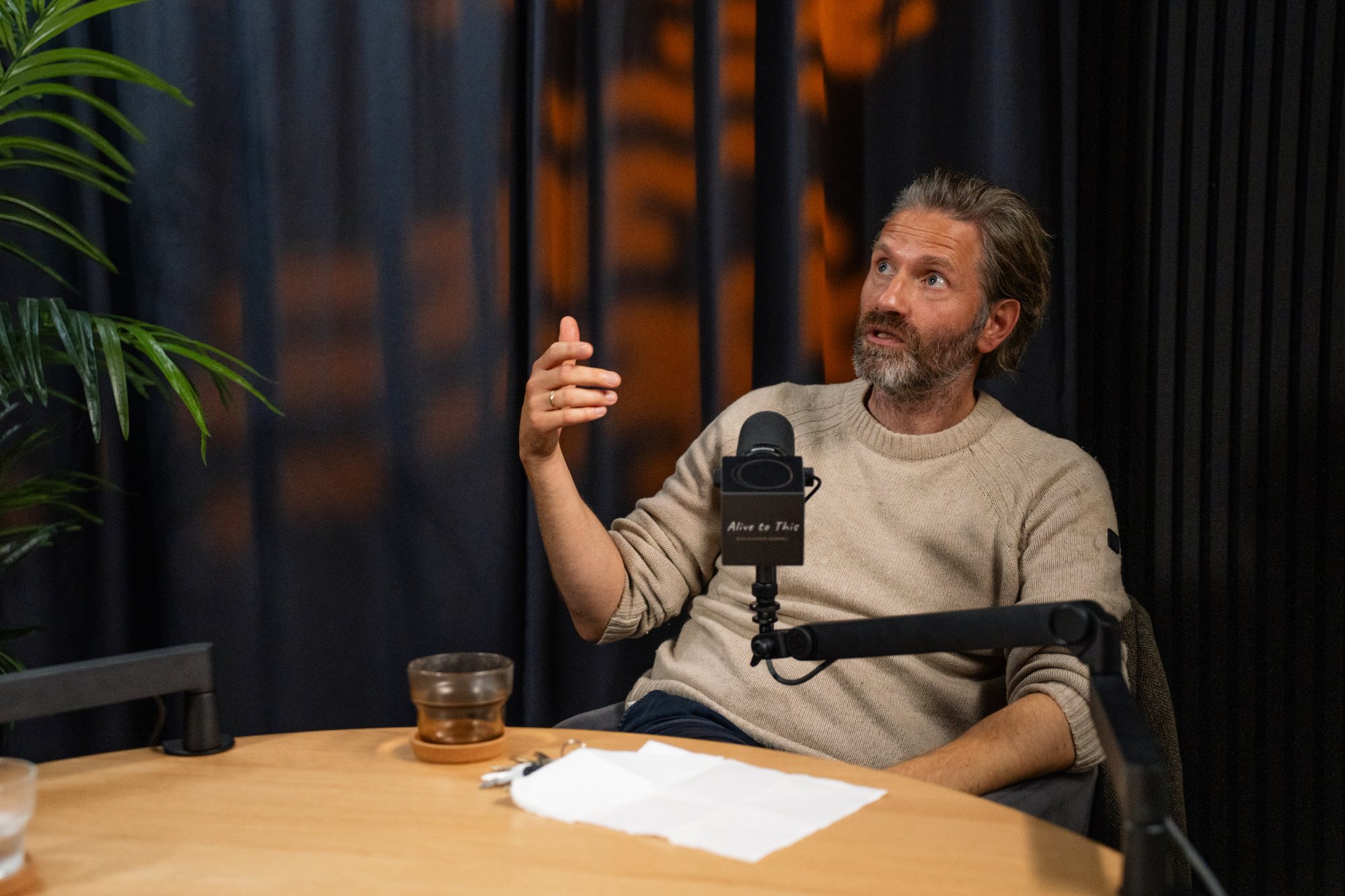
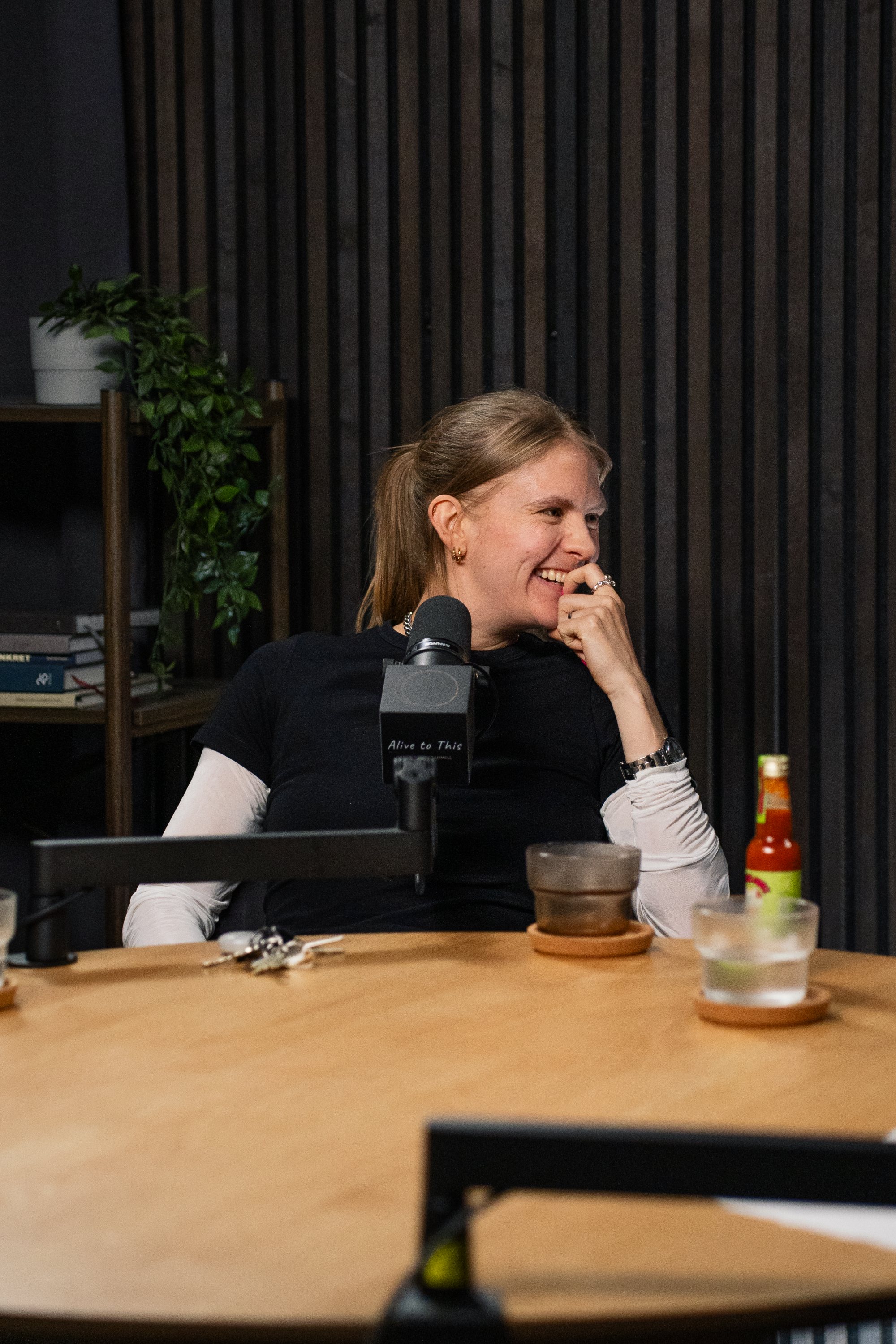
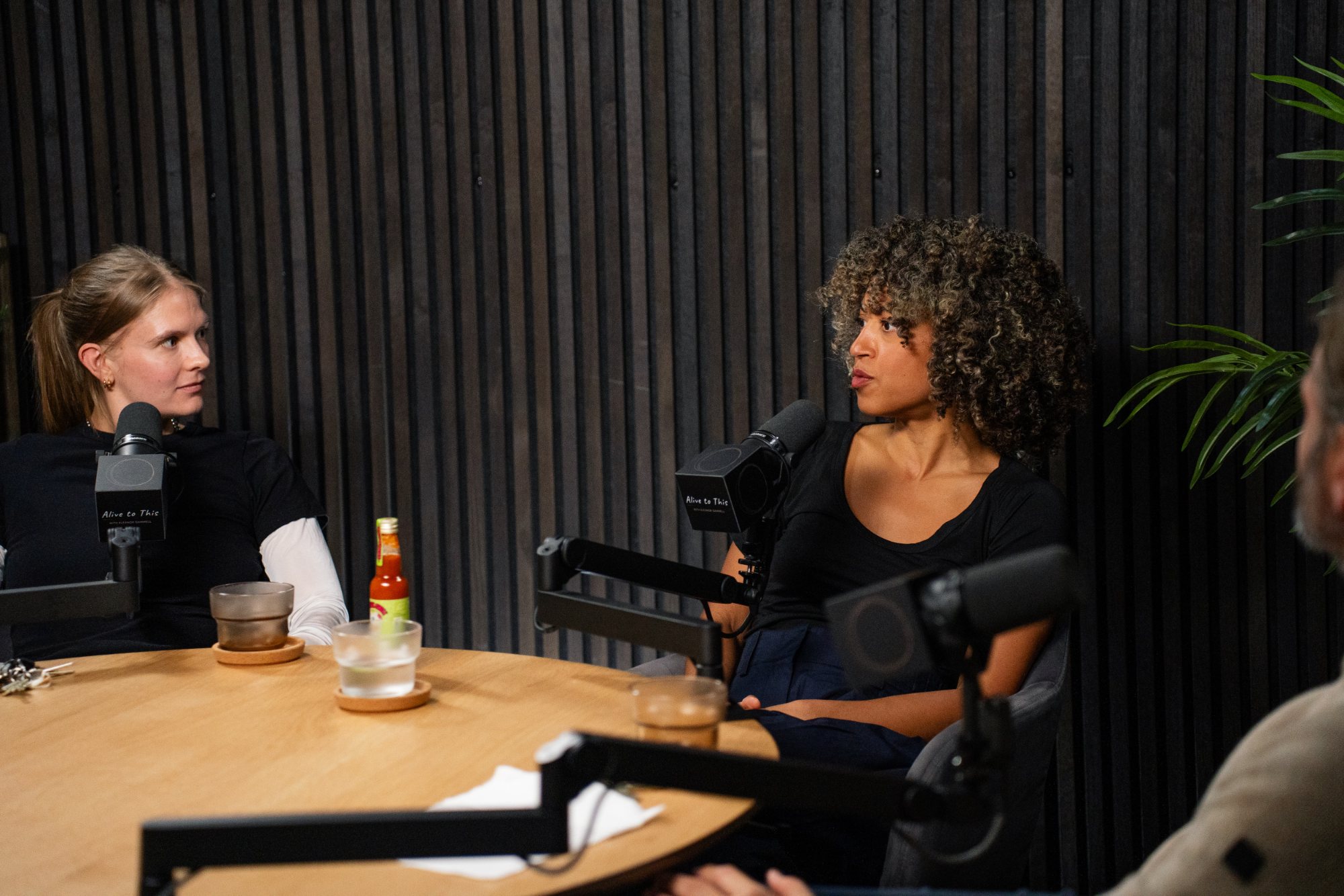
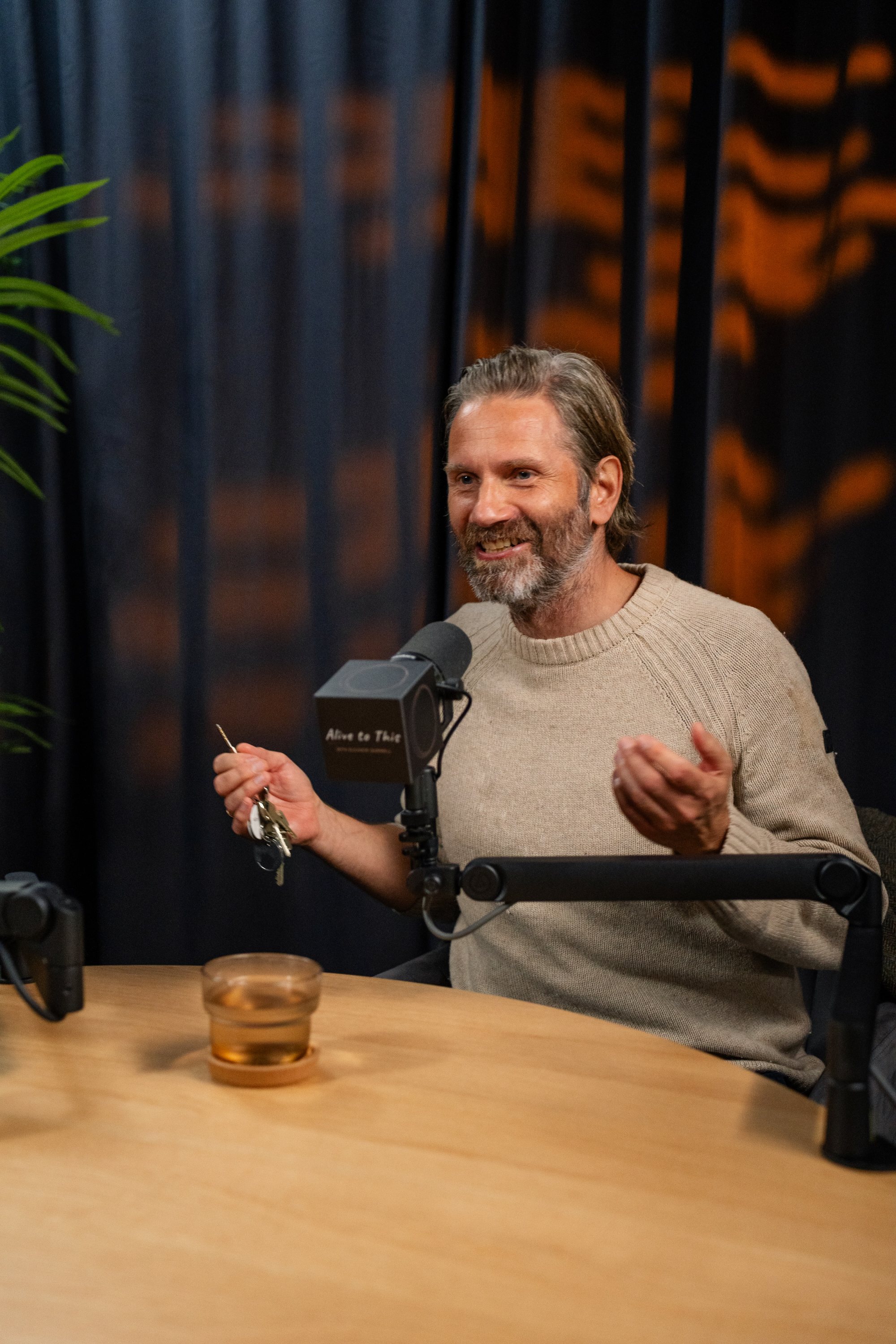
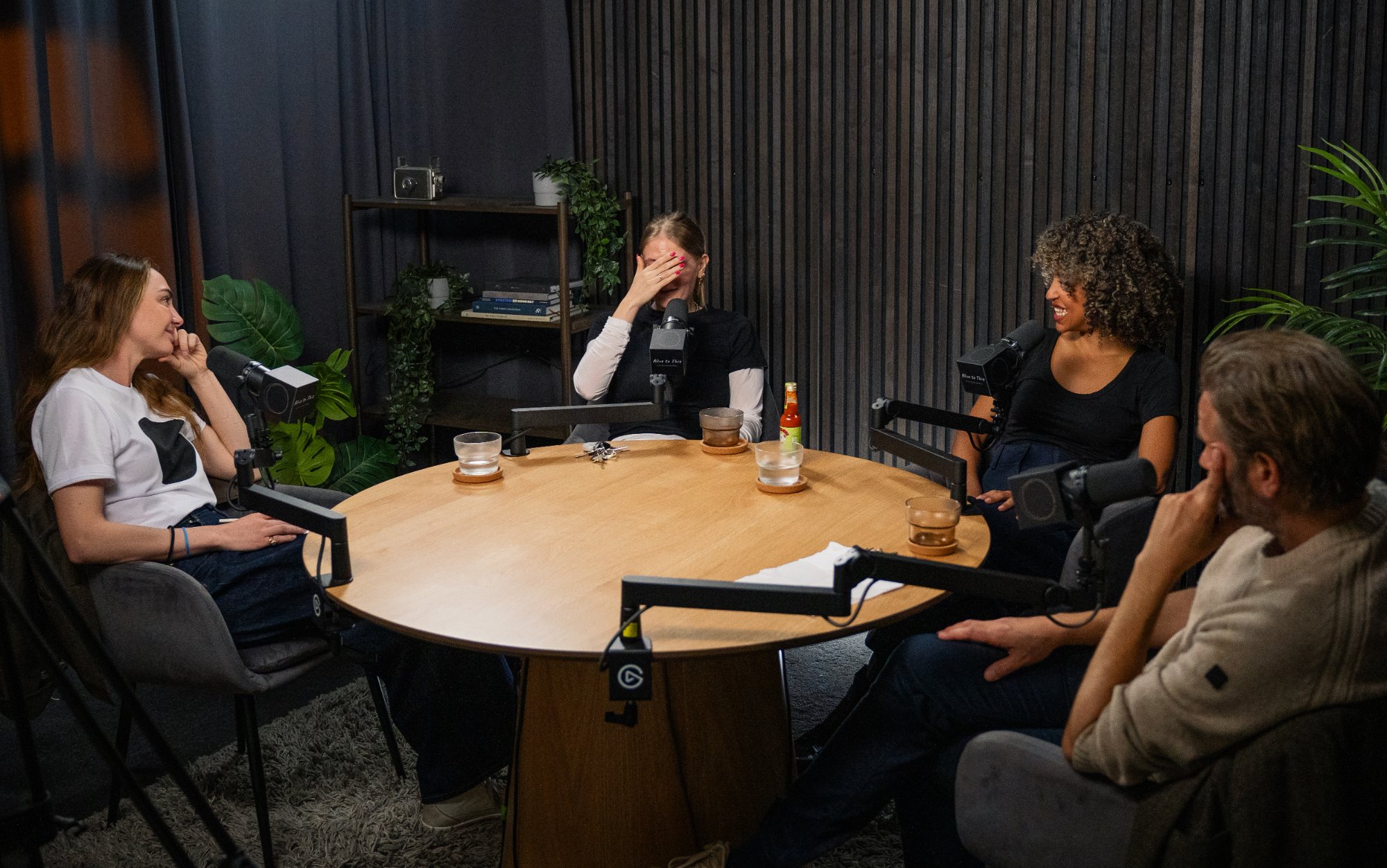
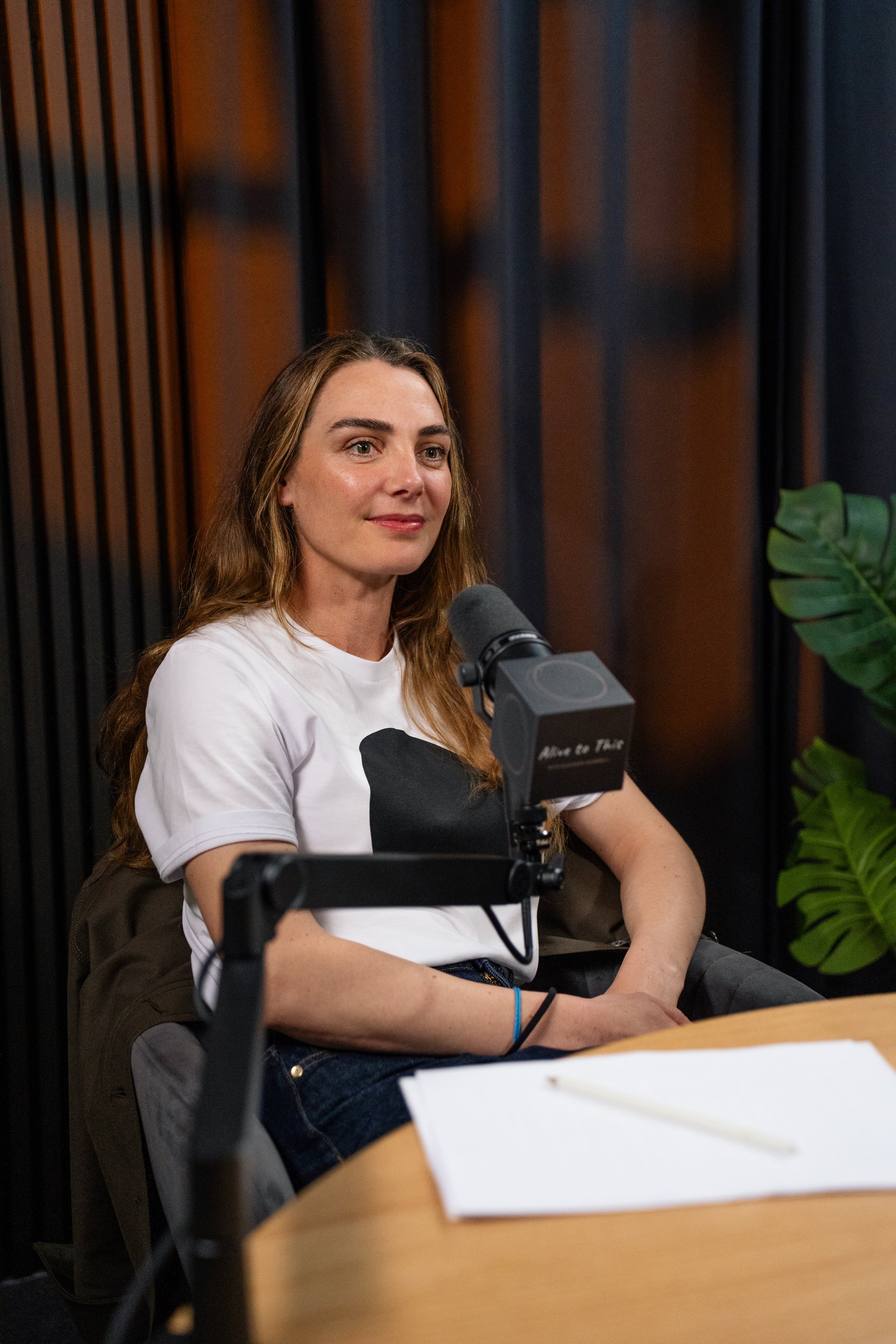
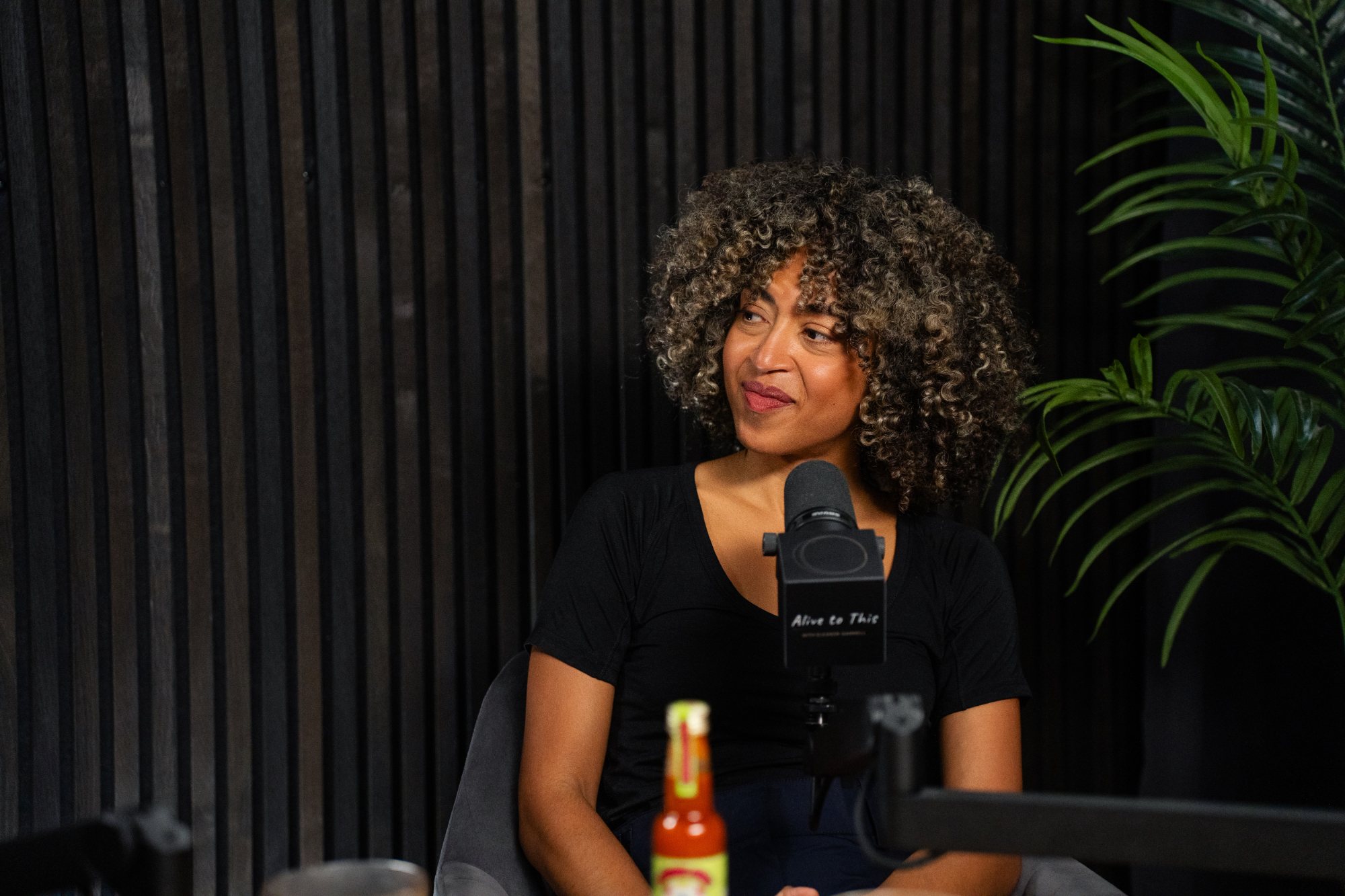
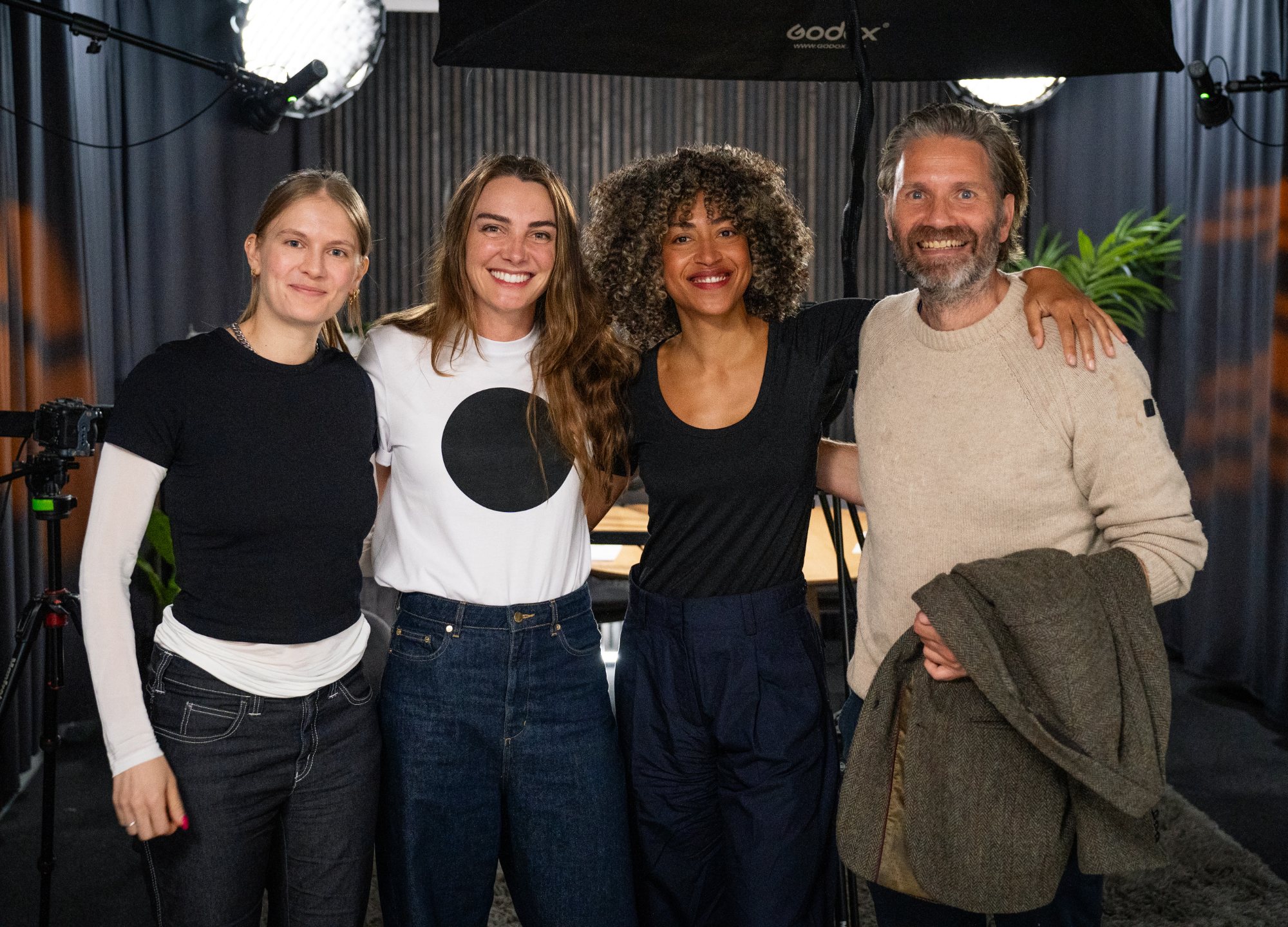
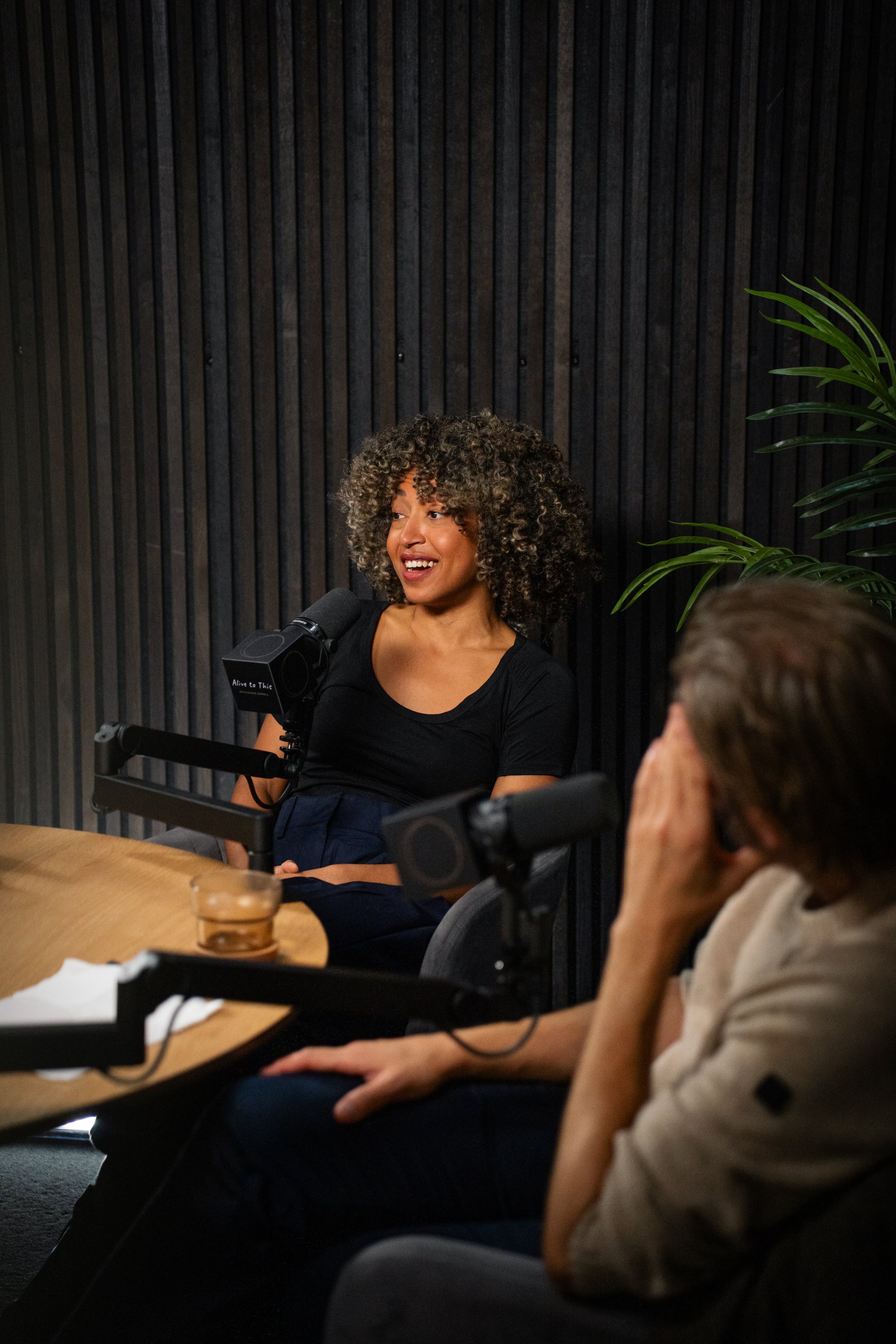
Around the table

Emma Holten

Emma Holten

Writer · Feminist Economist

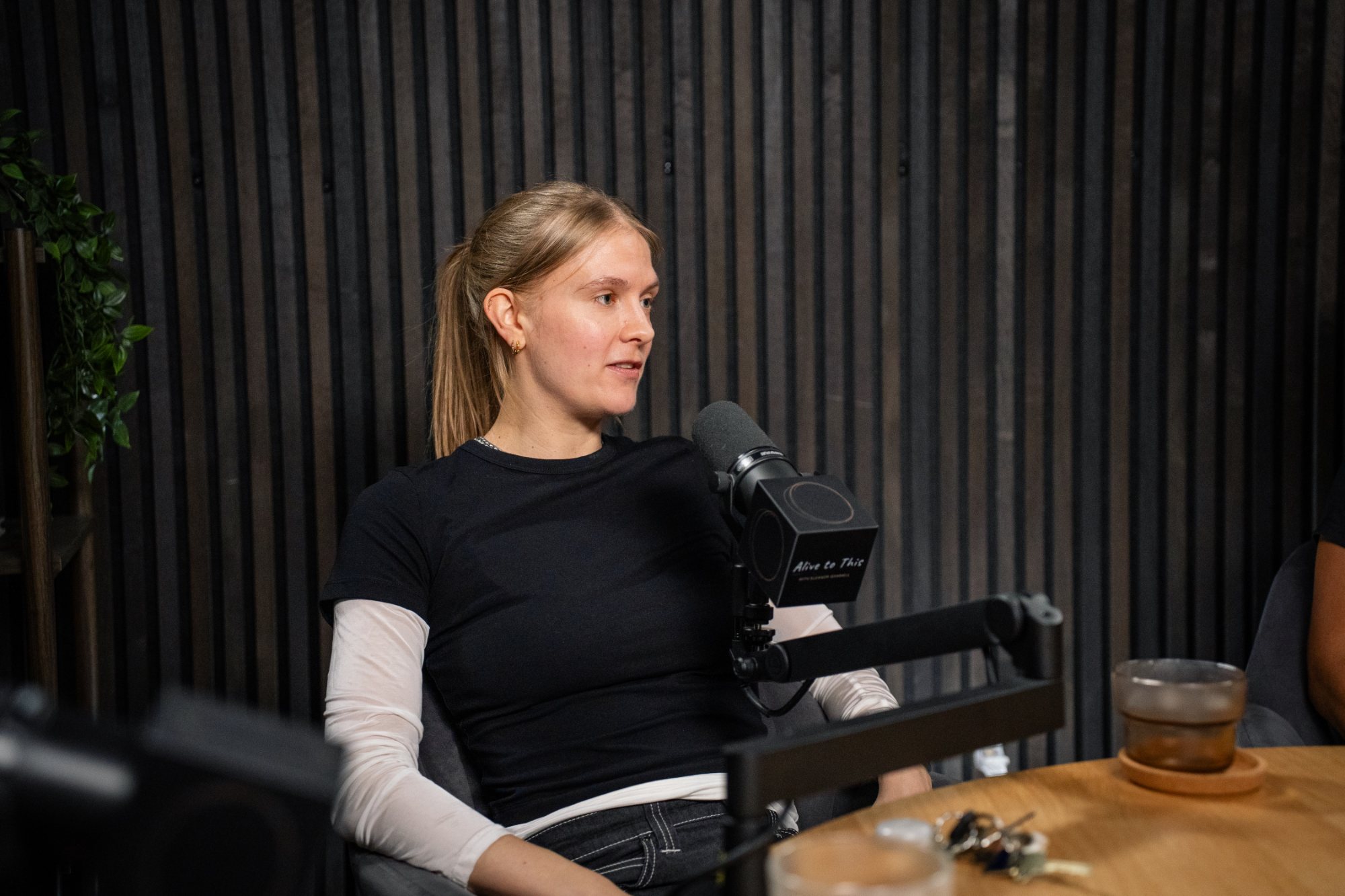
Emma Holten is a Danish writer and speaker who has worked on feminist economics since 2018. Her book Deficit: How Feminist Economics Can Change Our World traces how economic thinking since the Enlightenment has overlooked care and the work of keeping each other alive. It has been translated into more than ten languages and won the Politiken Literature Prize and the Sara Danius Prize.
Meik Wiking

Meik Wiking

Founder & CEO, Happiness Research Institute · Author

Meik Wiking is the founder and CEO of the Happiness Research Institute in Copenhagen, which studies why some people and societies are happier than others. He is the author of The Little Book of Hygge, a New York Times bestseller, and The Little Book of Lykke, and his books have sold more than a million copies. He created the Happiness Museum in Copenhagen and advises on the Global Happiness Policy Report.

Angela Oguntala

Angela Oguntala

Futurist · Strategic Foresight Adviser

Angela Oguntala is a futurist and strategic foresight adviser. She advises senior leaders at Google and Microsoft, as well as the World Economic Forum and the World Trade Organization, and joined Ban Ki-moon and Christiana Figueres in the documentary series Future from Above. The United Nations named her a Future Innovator, and she is a Salzburg Global Fellow.

Go Deeper

Emma Holten · Book

Deficit

How economic thinking came to overlook care and “women’s work”, and why the things that matter most are the building blocks of the economy.

Kate Raworth · Book

Doughnut Economics

A new economic model for meeting the needs of all people within the means of the planet, beyond the endless pursuit of GDP growth.

Robert F. Kennedy · Audio

Remarks at the University of Kansas

His 18 March 1968 speech on the limits of GDP, which, he said, measures everything except that which makes life worthwhile.

Realdania & Meik Wiking · Study

Our Happiness

One of the largest happiness studies ever conducted, drawing on 122,000 people in Denmark, finds social connection is the single most important factor in a good life.

Copenhagen · Museum

The Happiness Museum

Founded by the Happiness Research Institute, a small museum exploring what makes a good life, and how happiness is measured around the world.

More Chapters