



All Chapters
Chapter 05 2026

Attachment Hacking

Artificial intelligence is not simply changing the world around us, it’s changing the conditions through which we experience ourselves. It’s changing our minds.

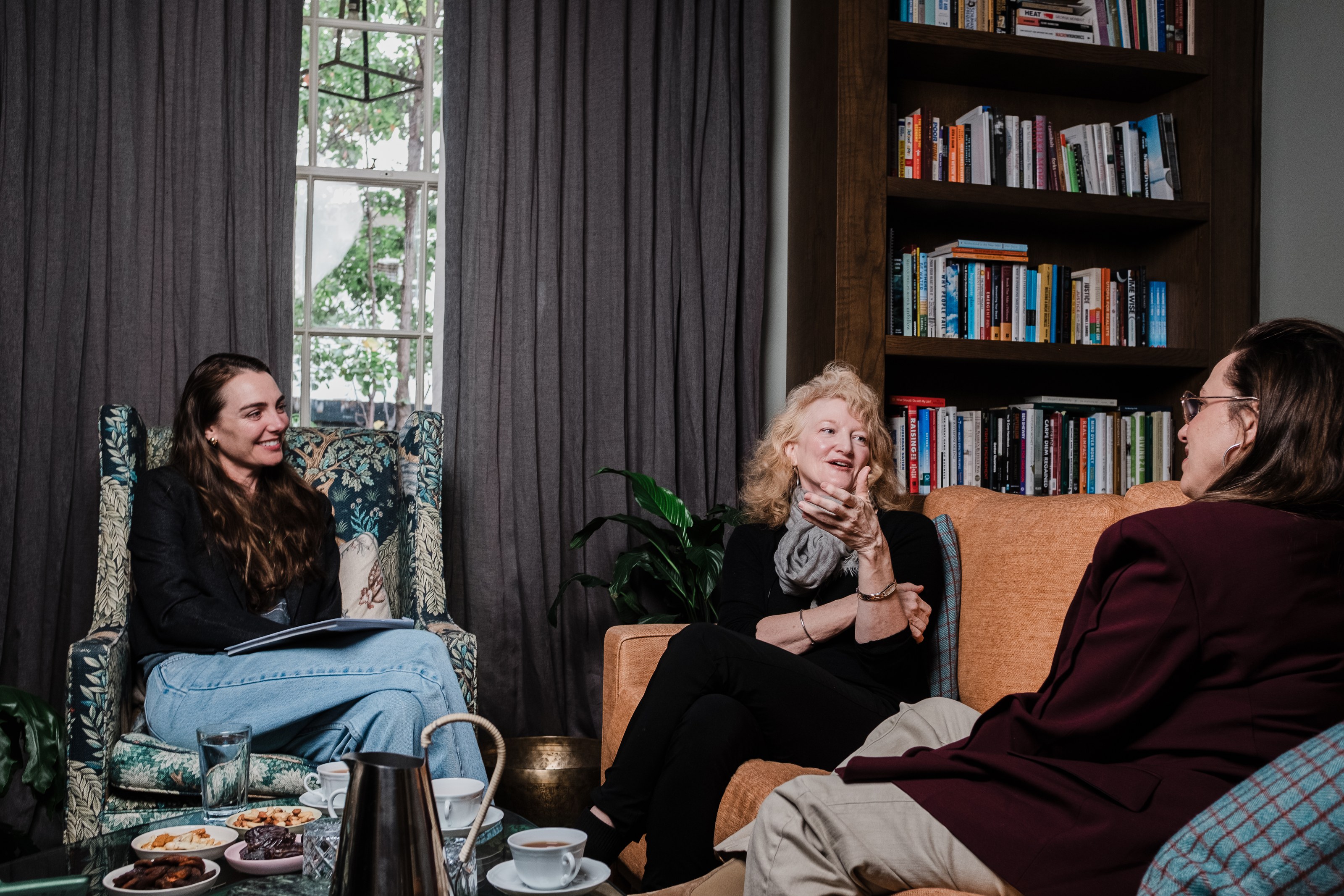
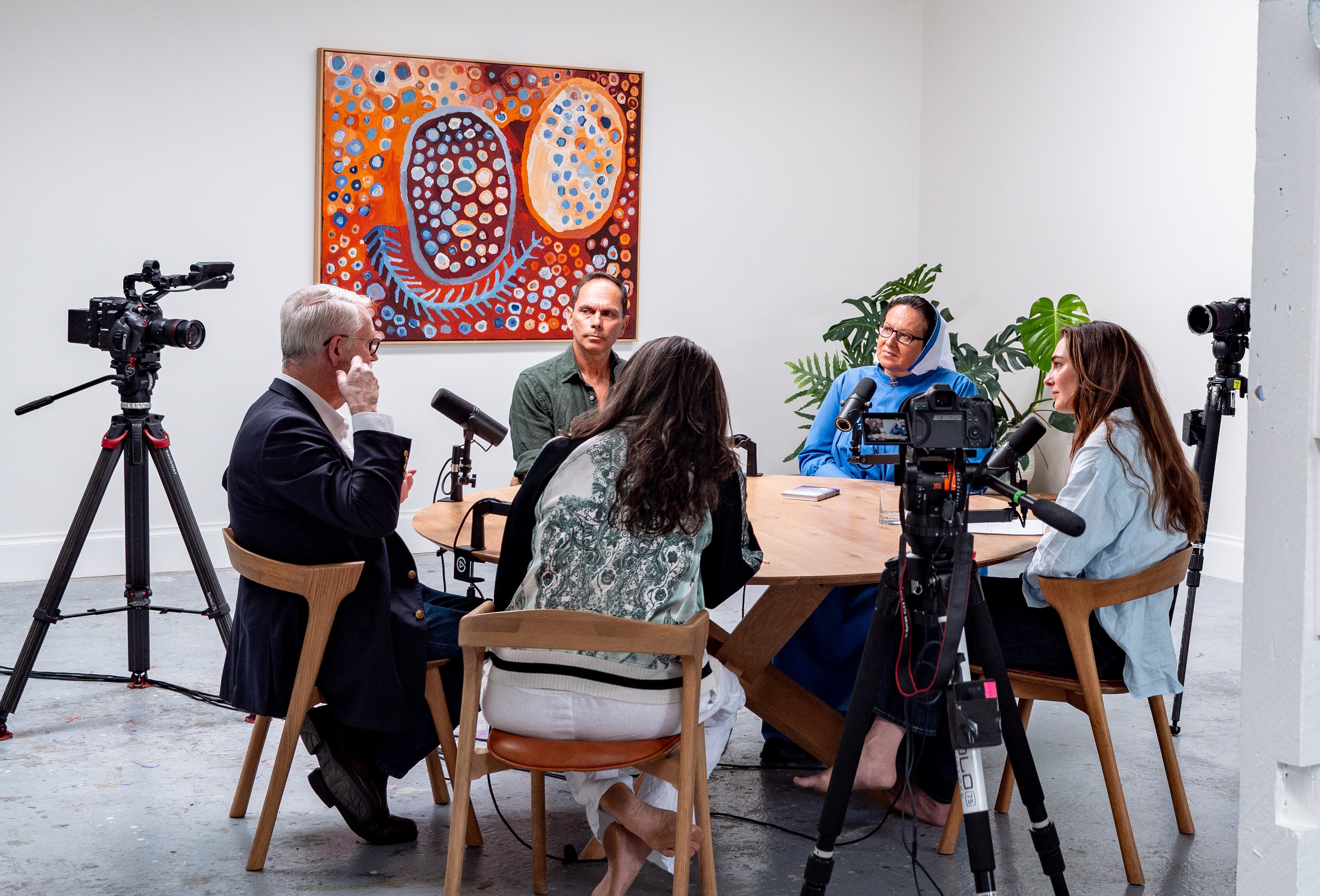
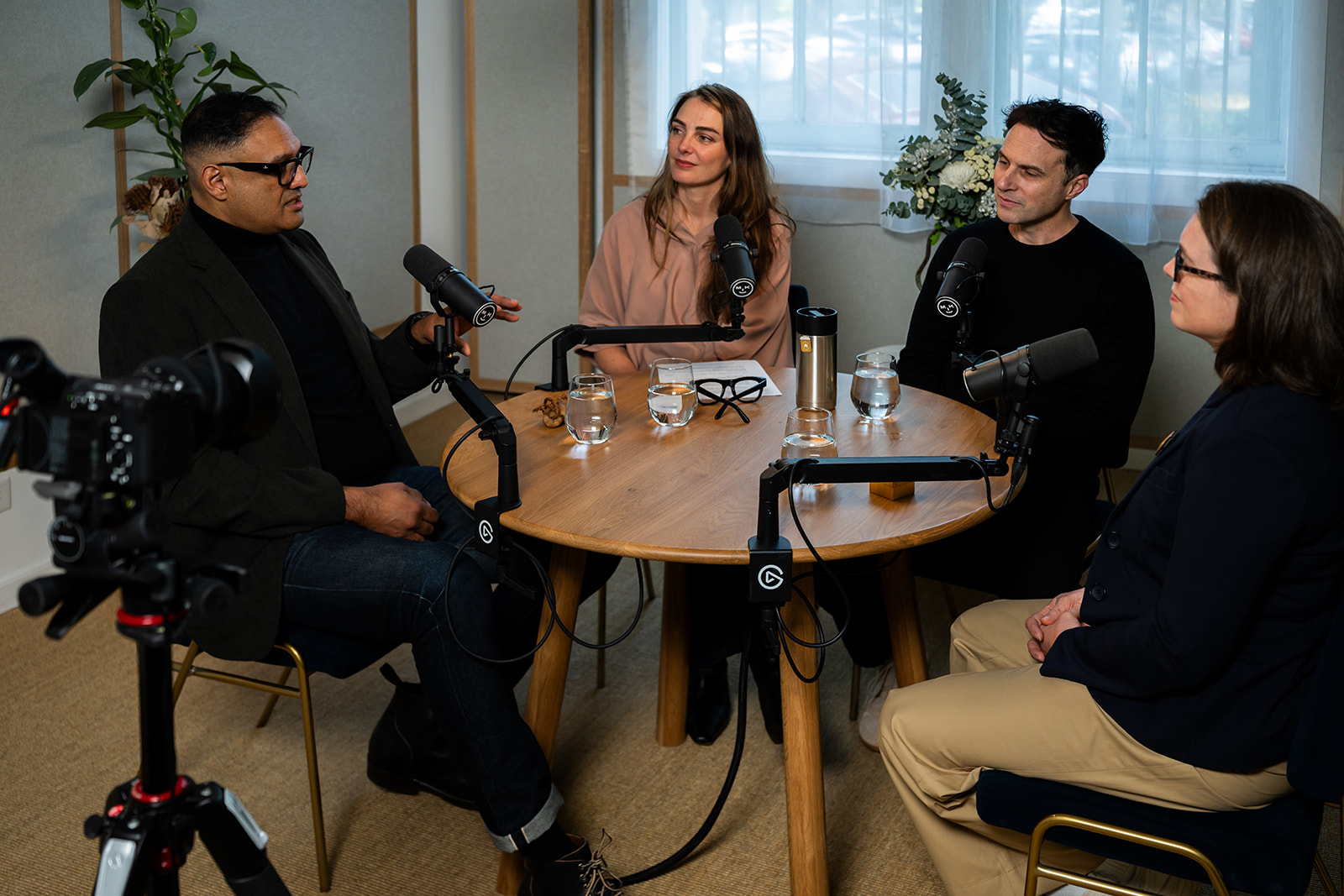
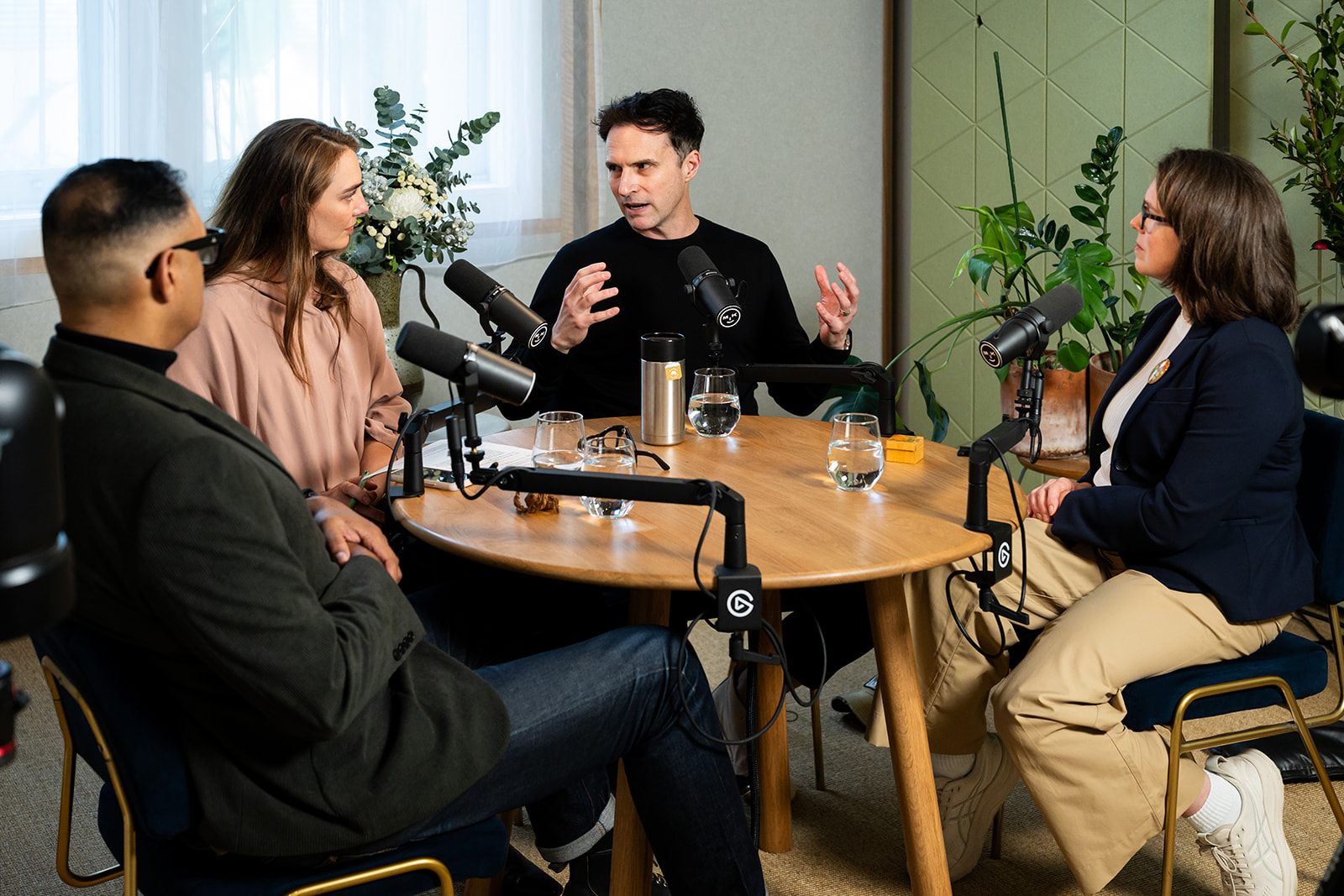
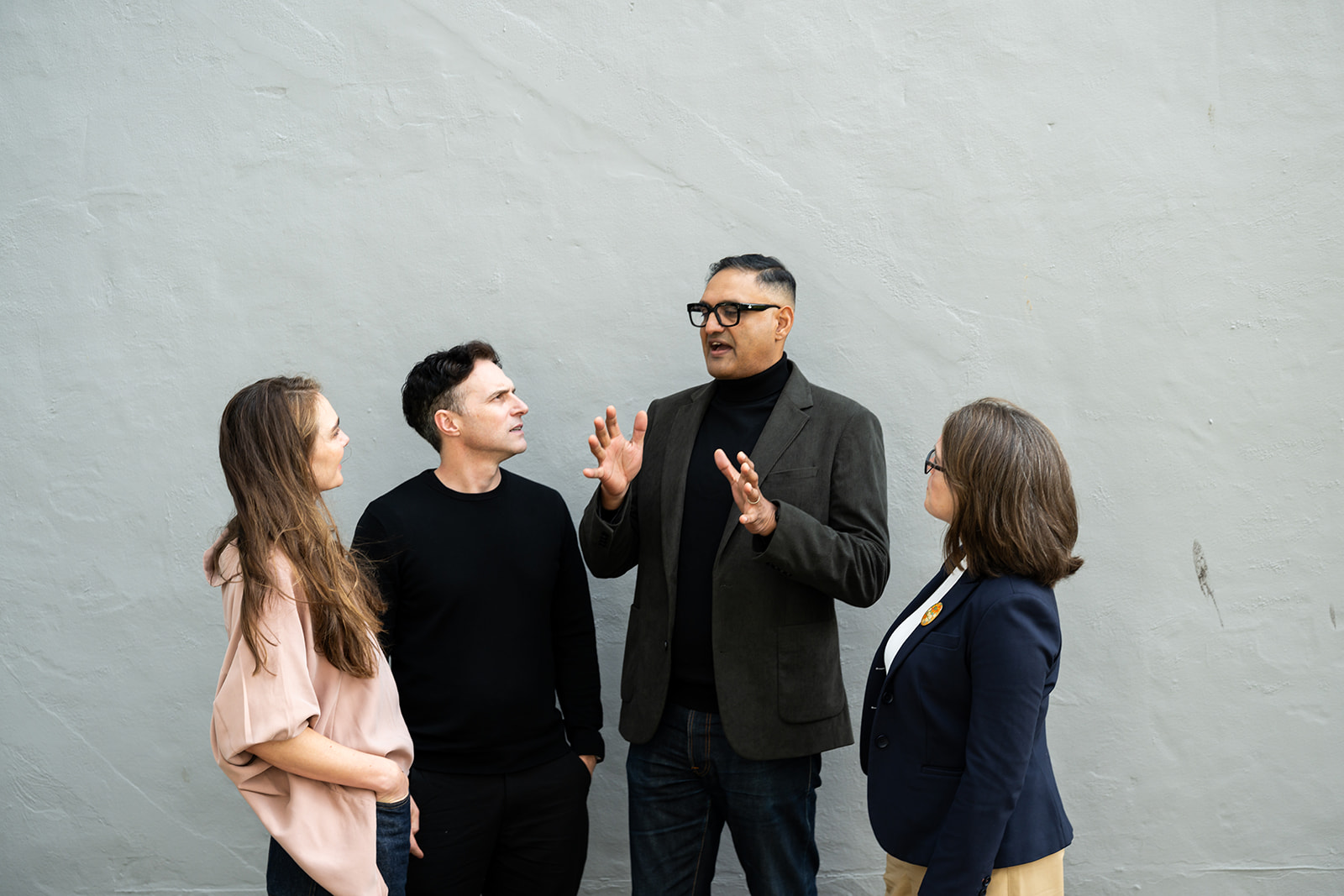
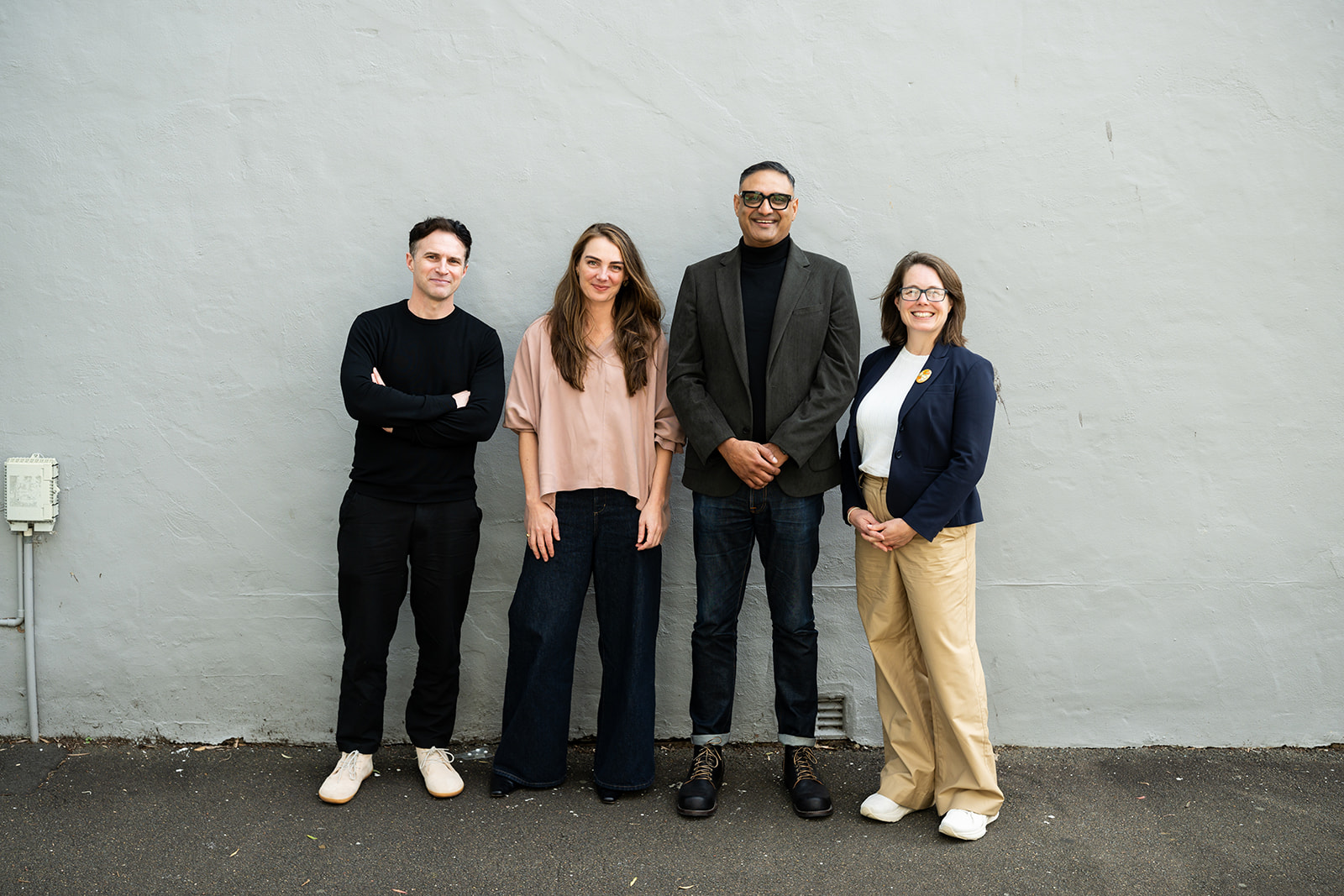
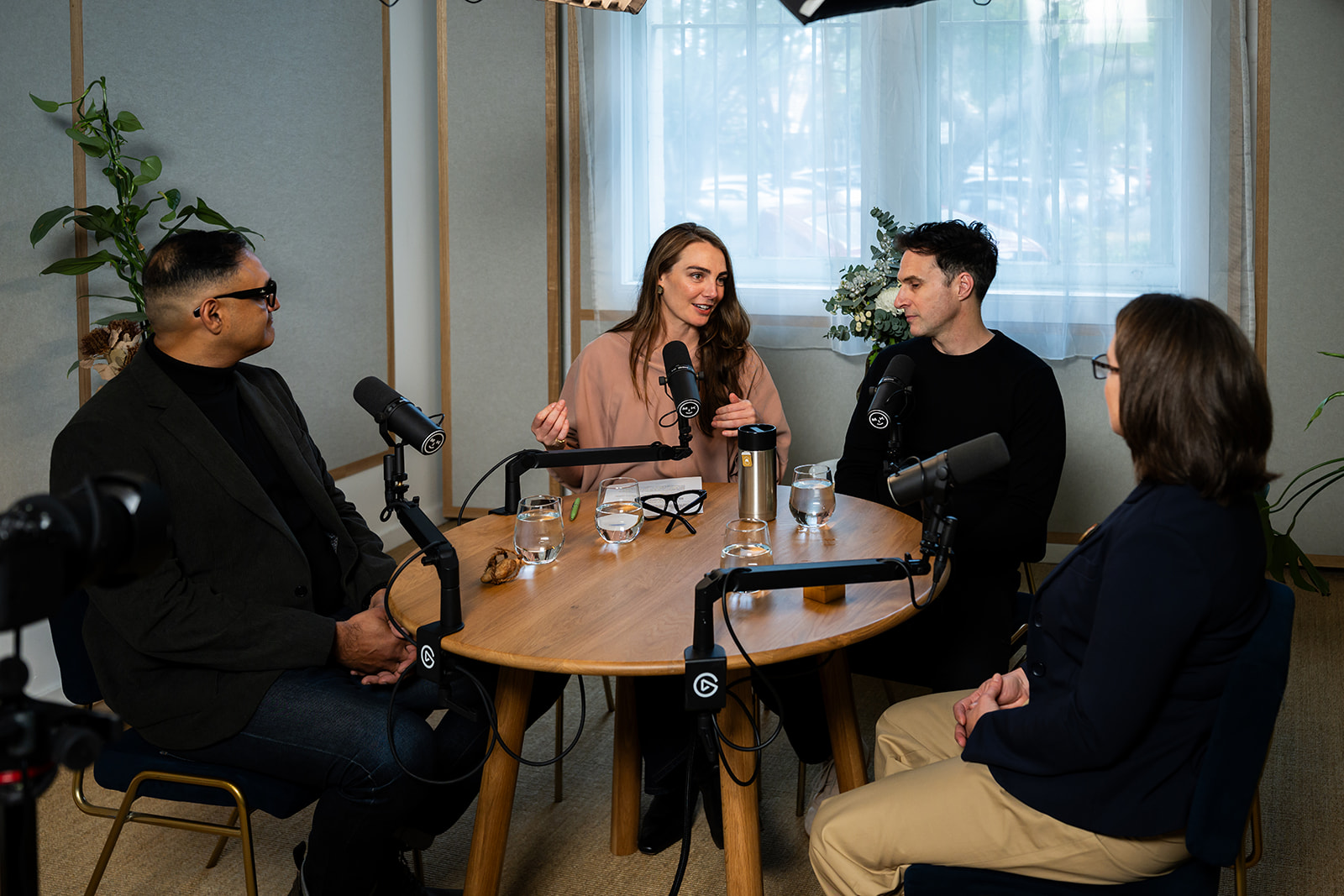
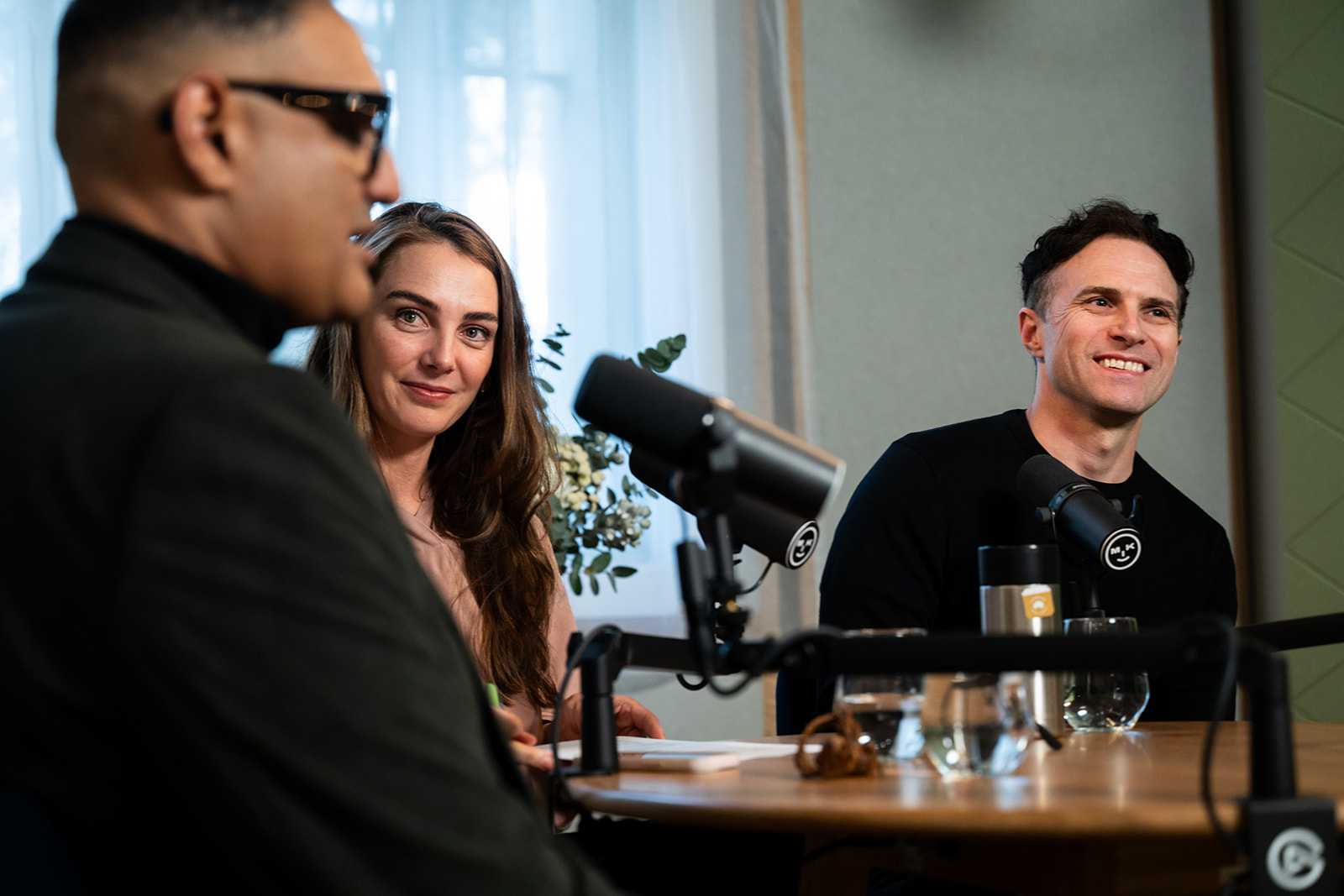
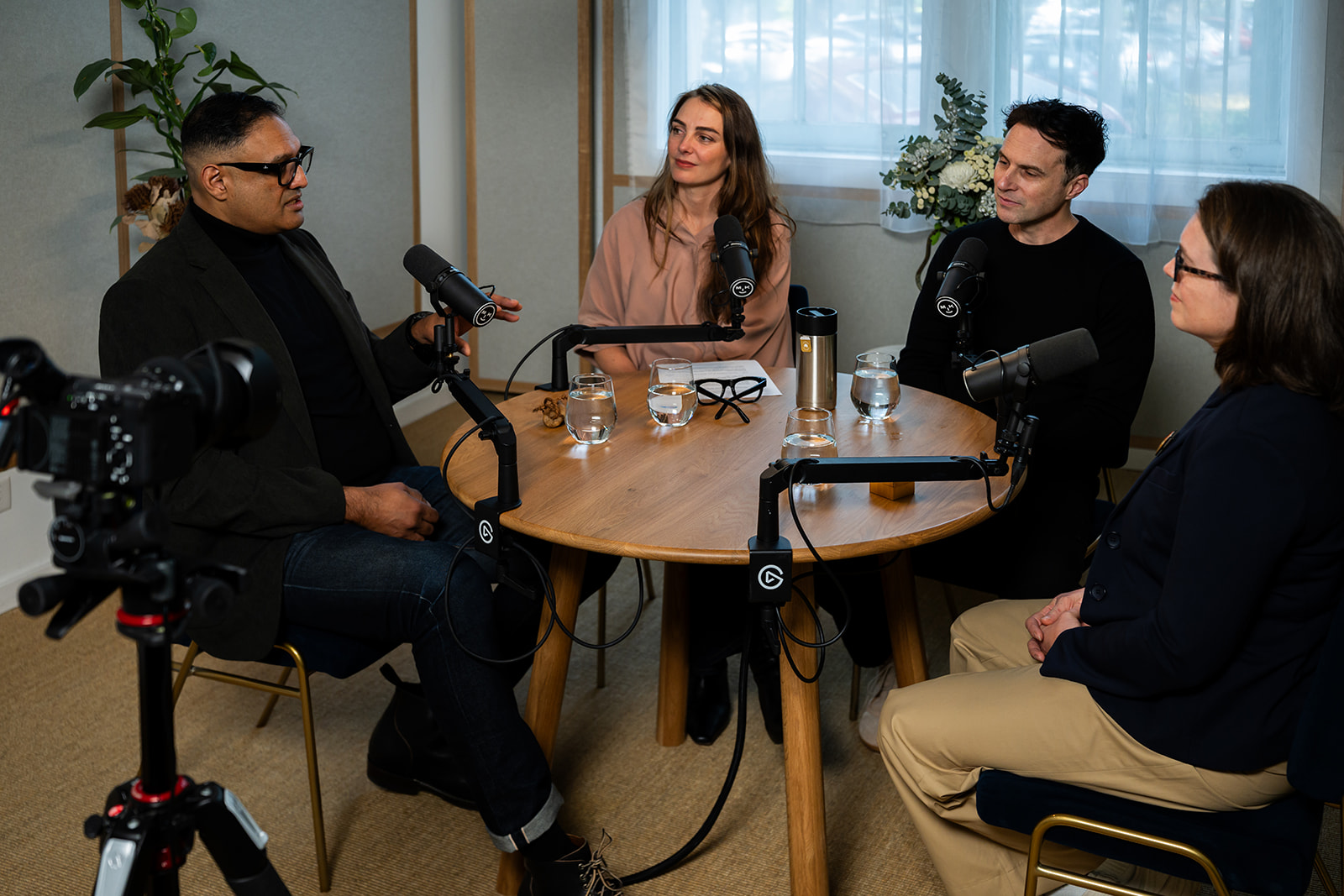
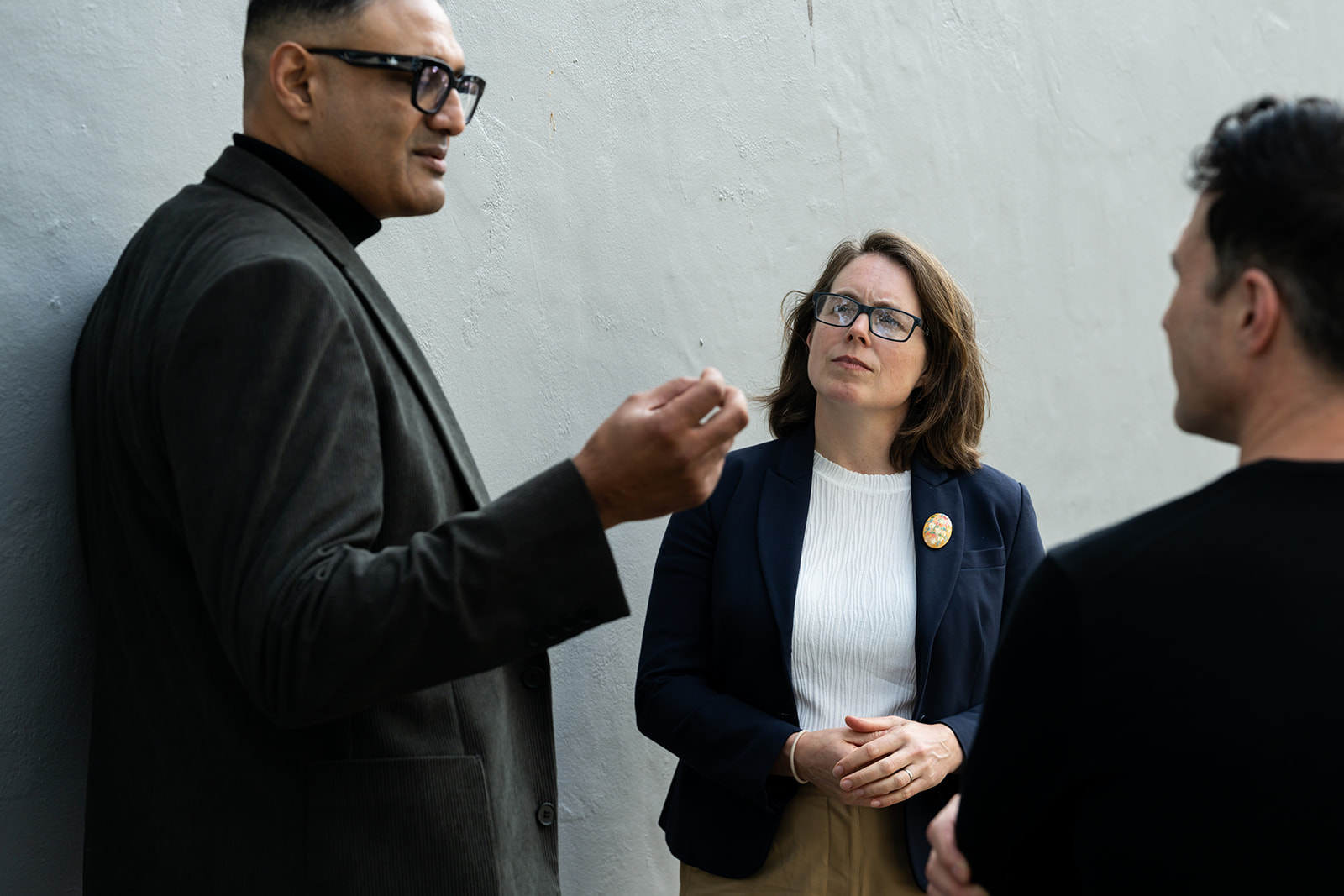
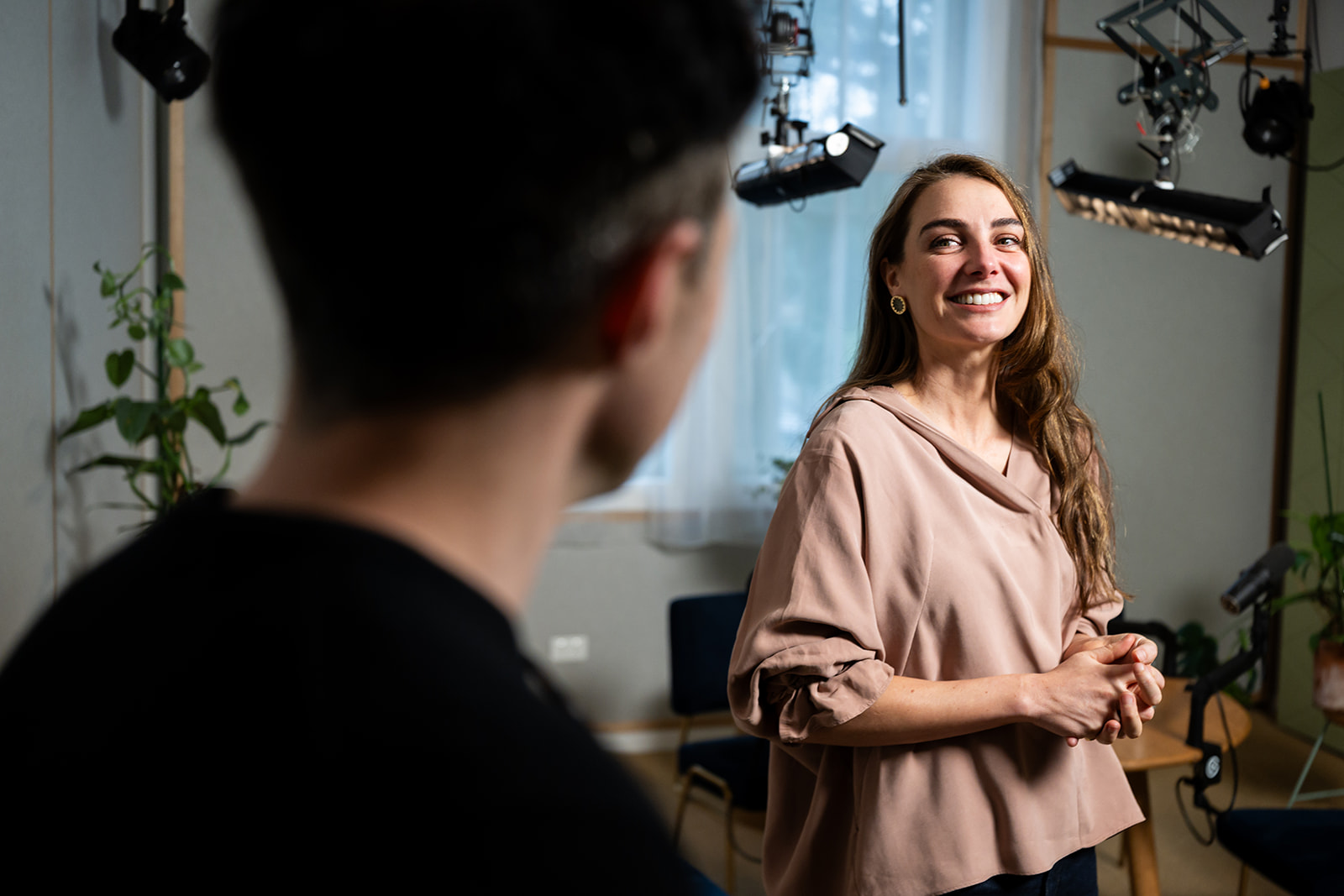
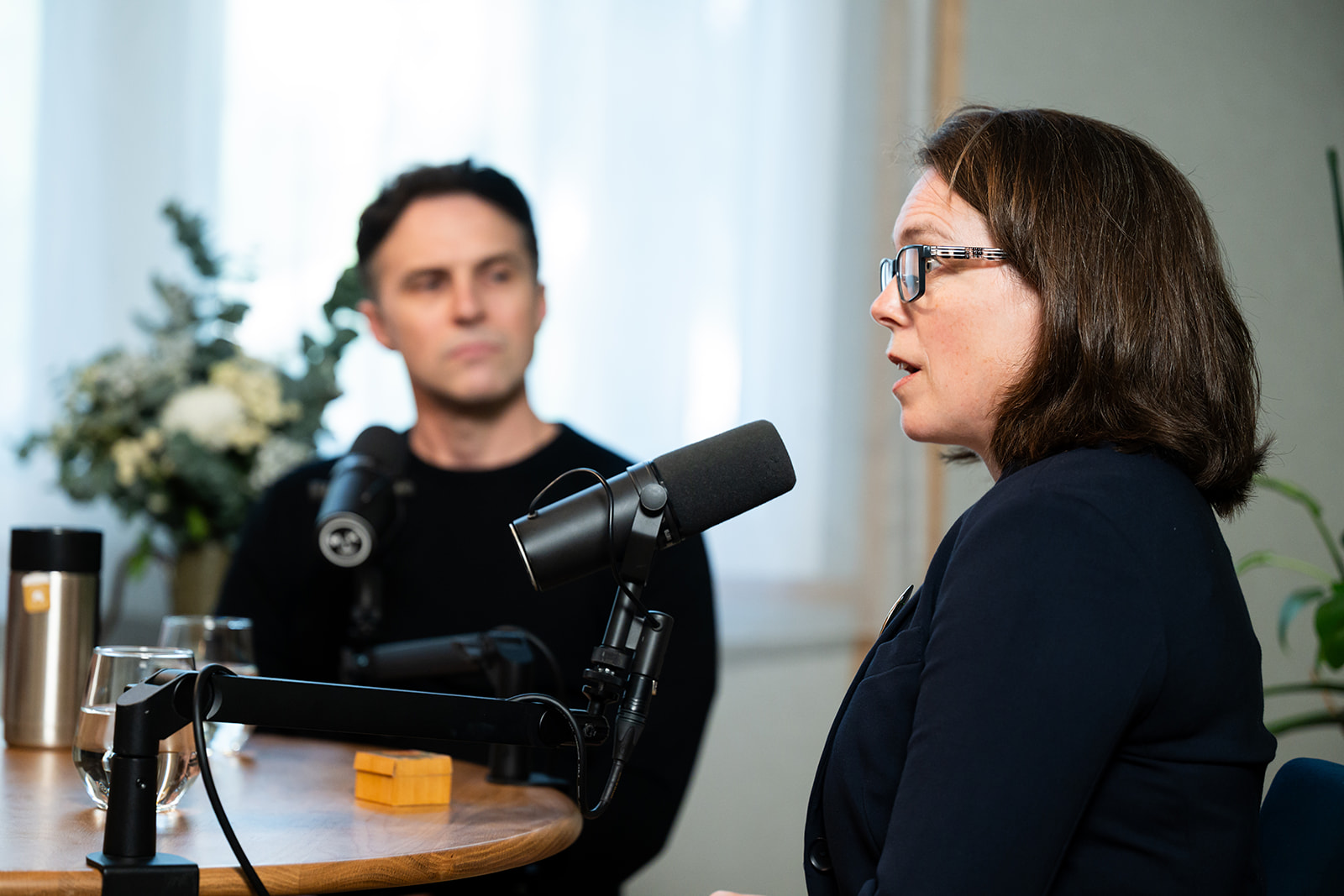
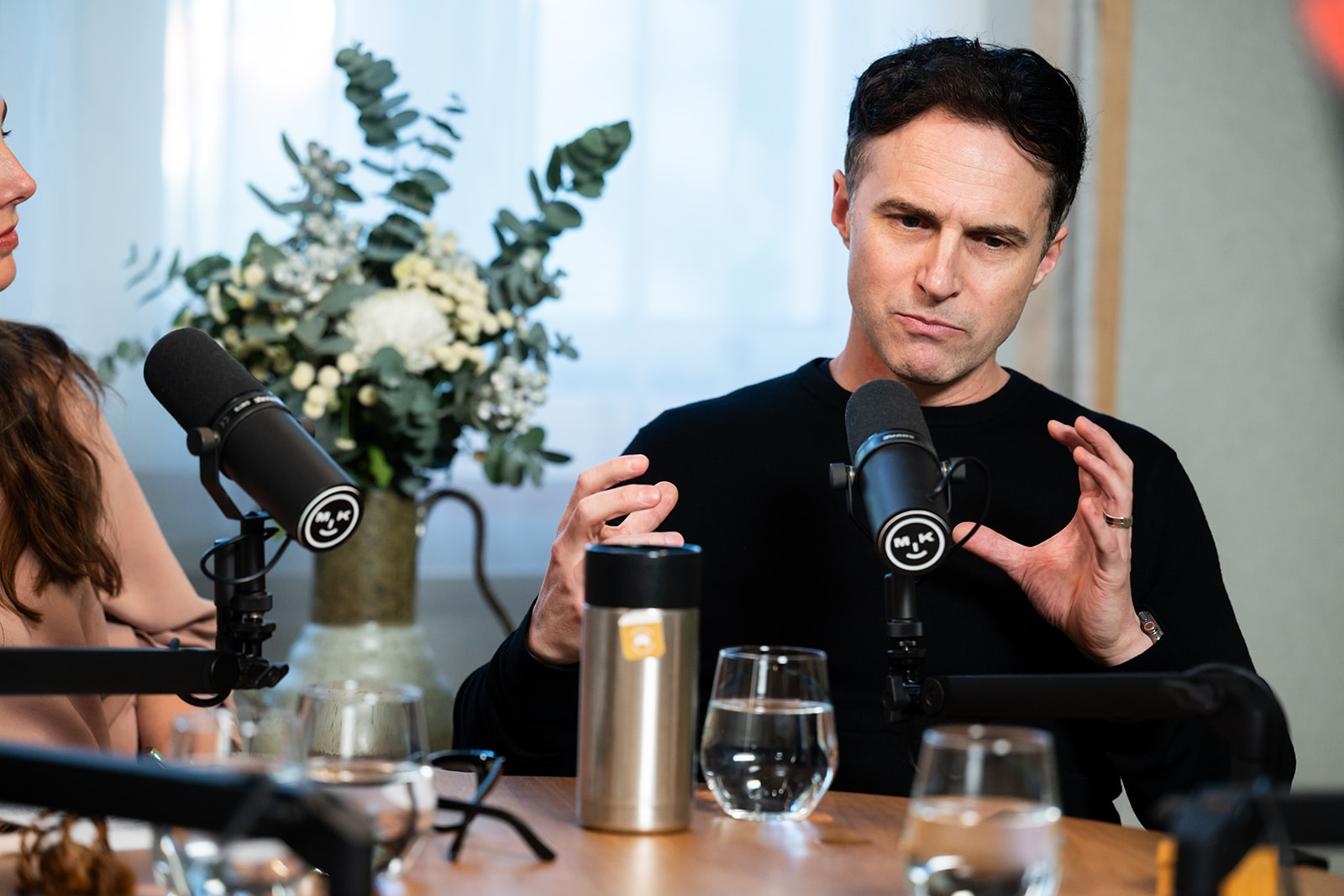
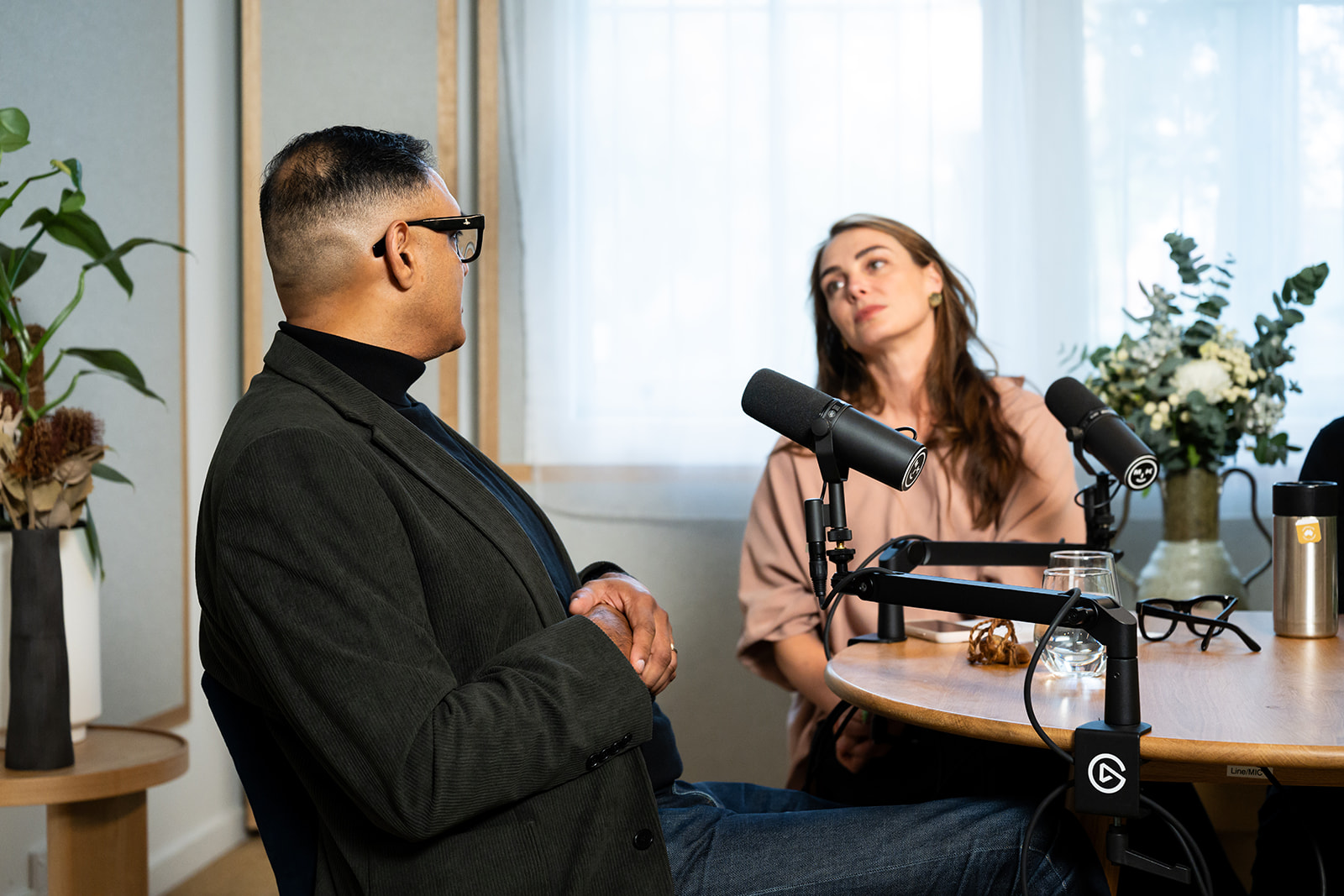
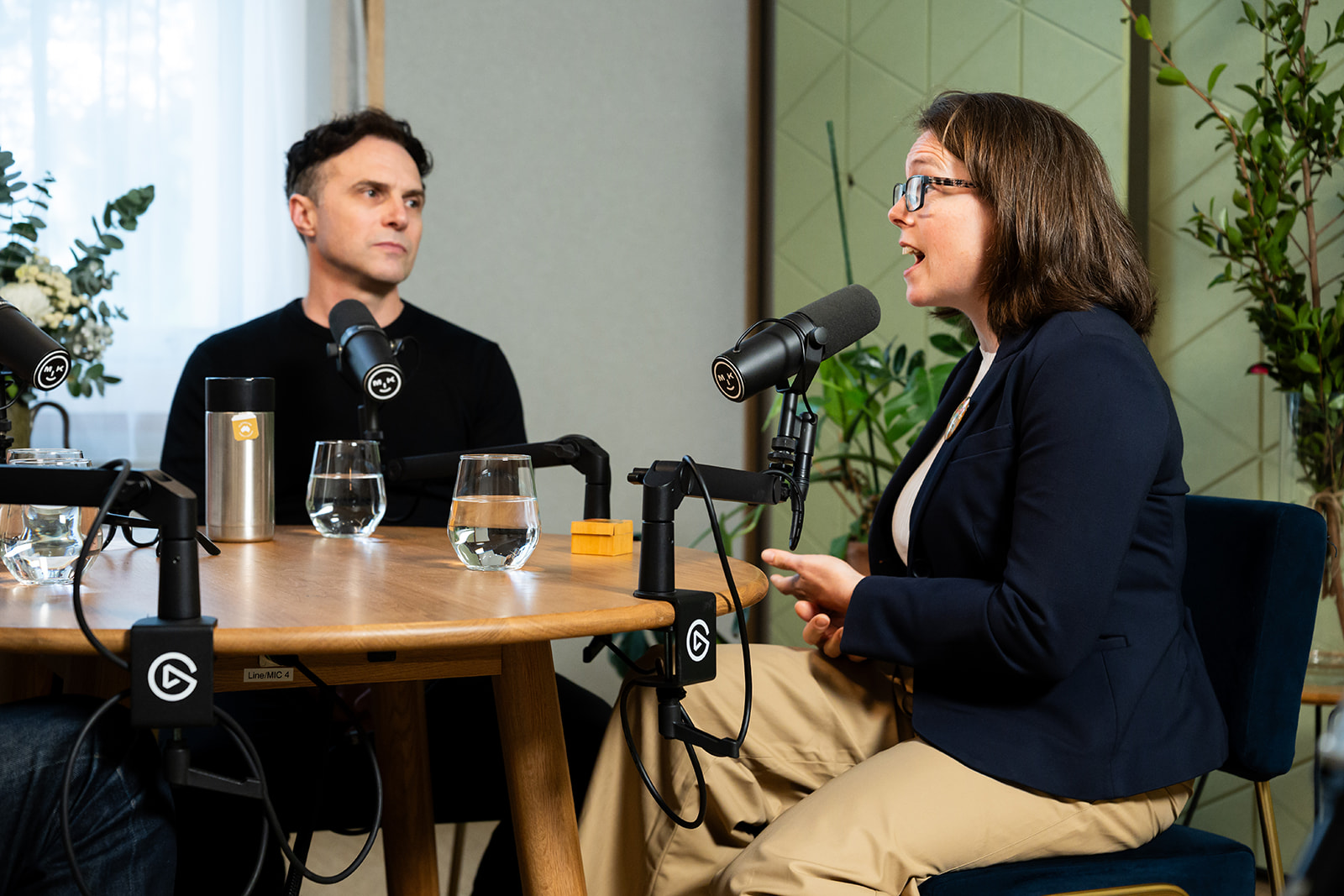
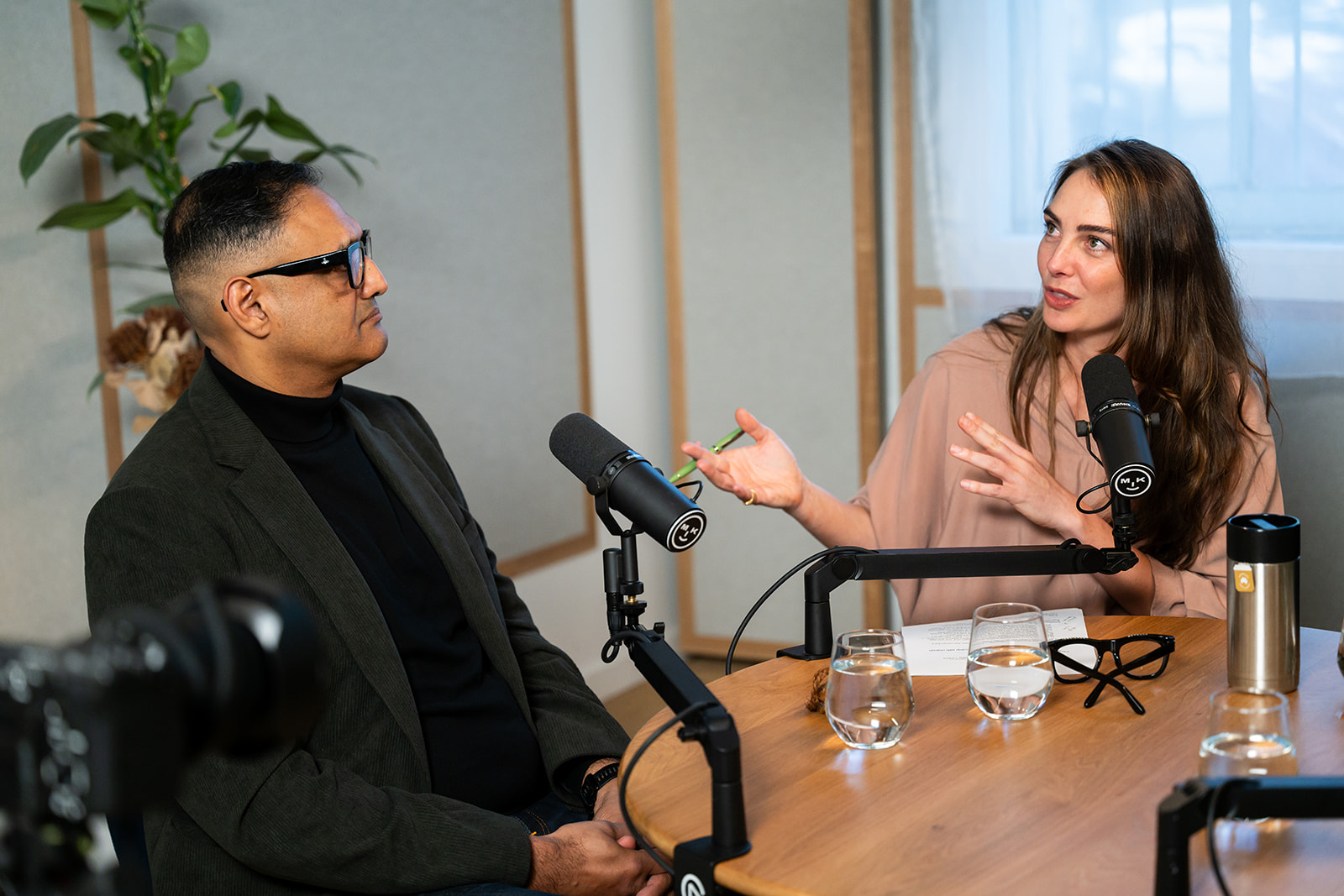
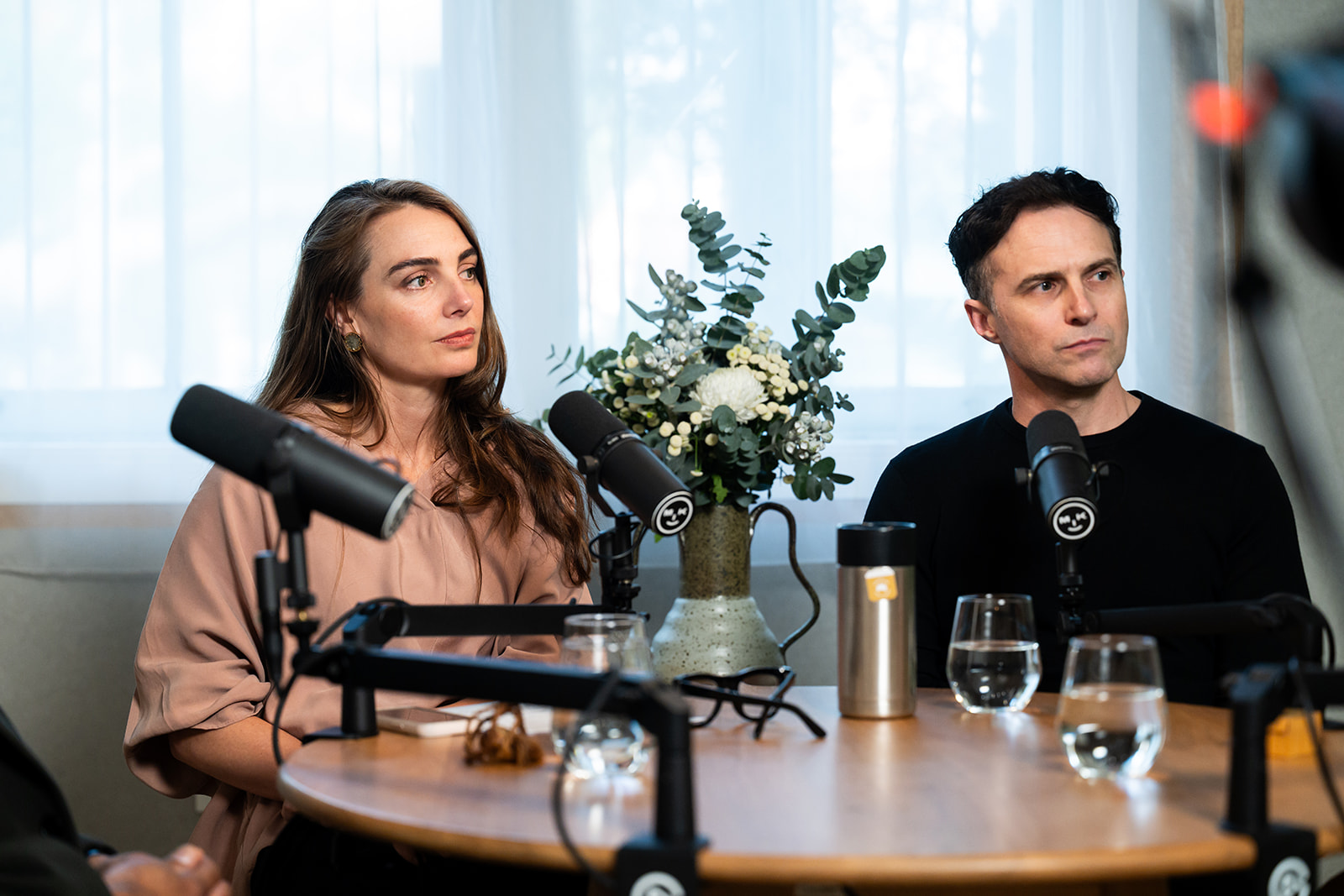
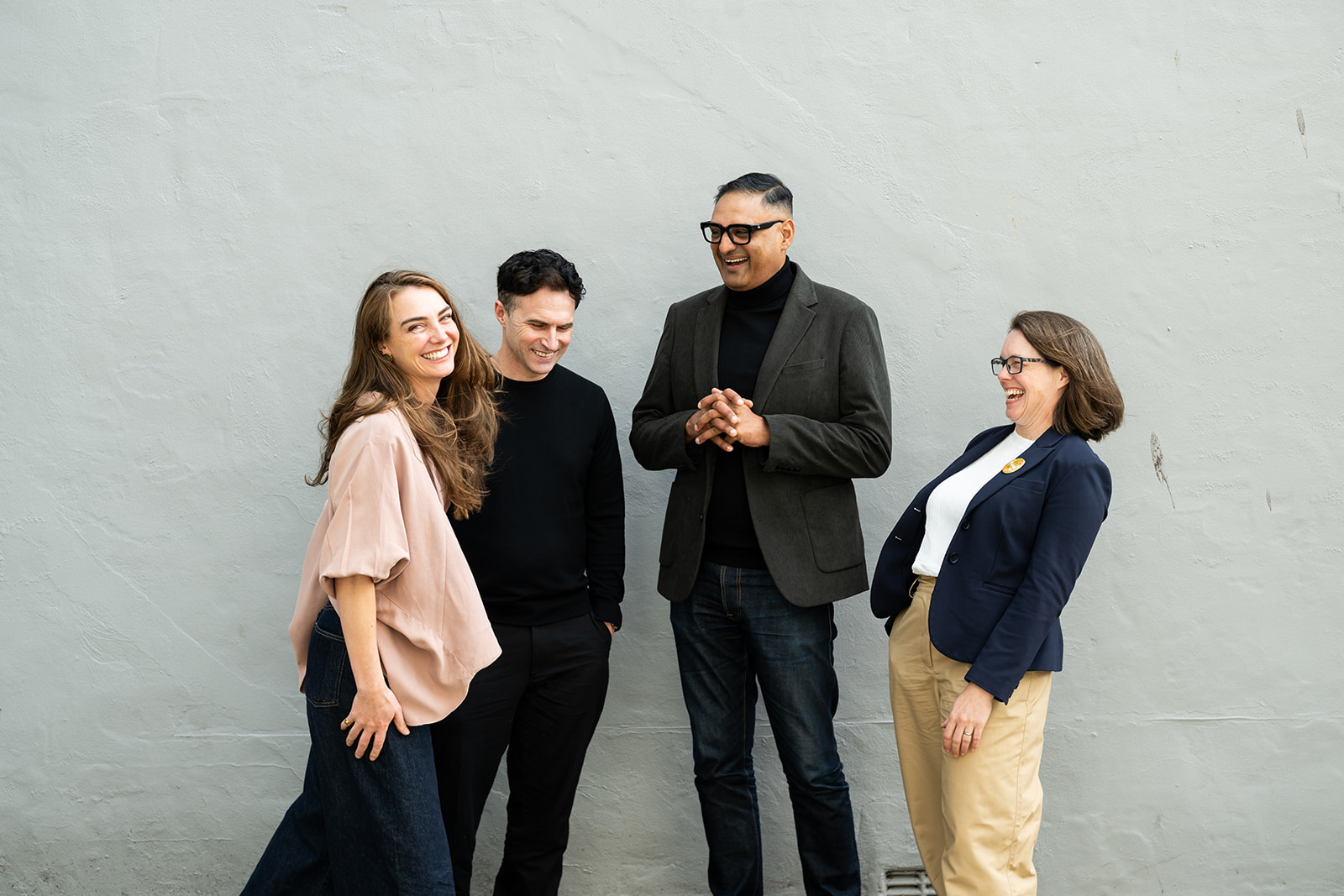
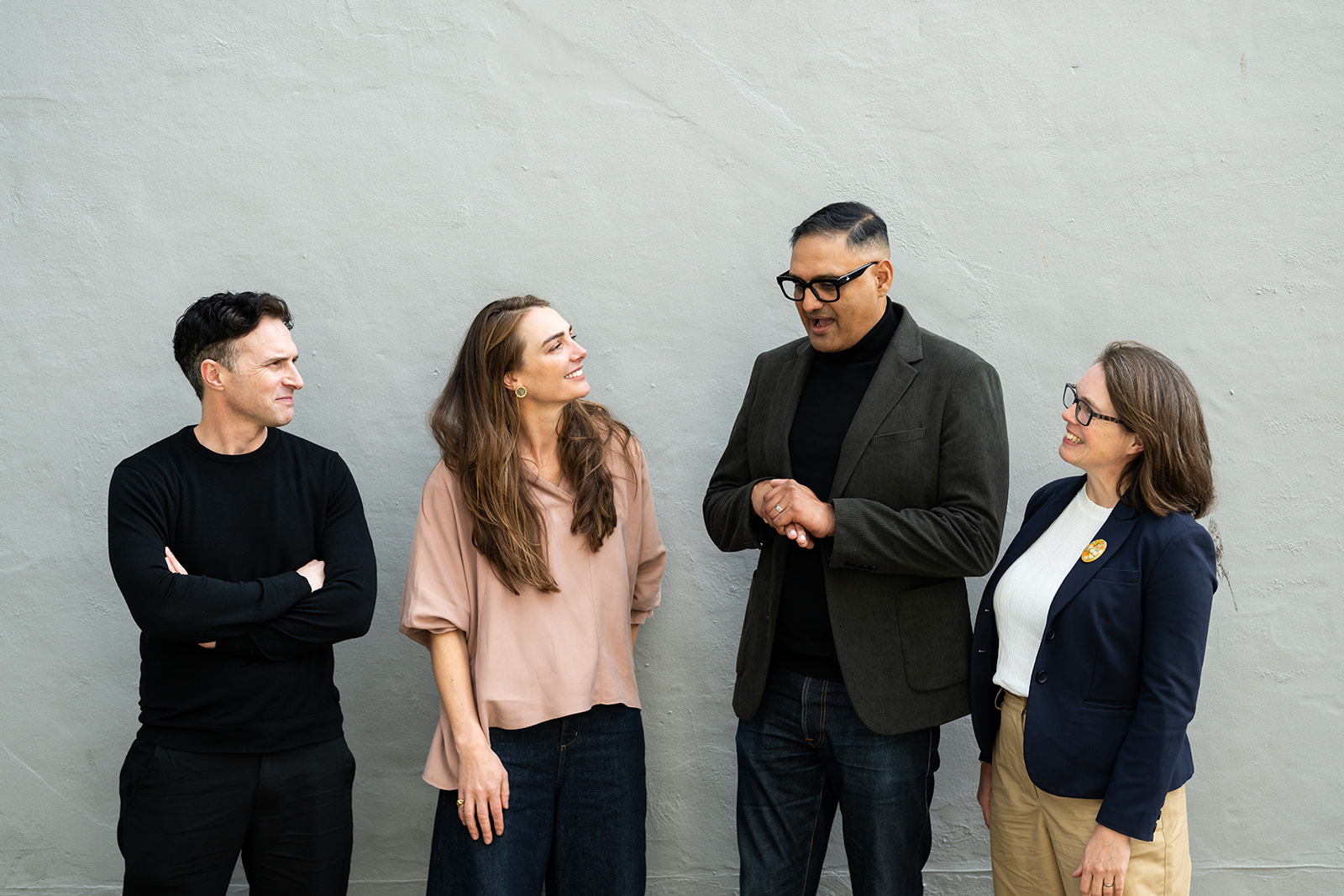
Neuroscientist Joel Pearson, cyberneticist Maia Gould and anthropologist Monty Badami meet on AI that speaks the language of connection, attachment and rewards dependence.

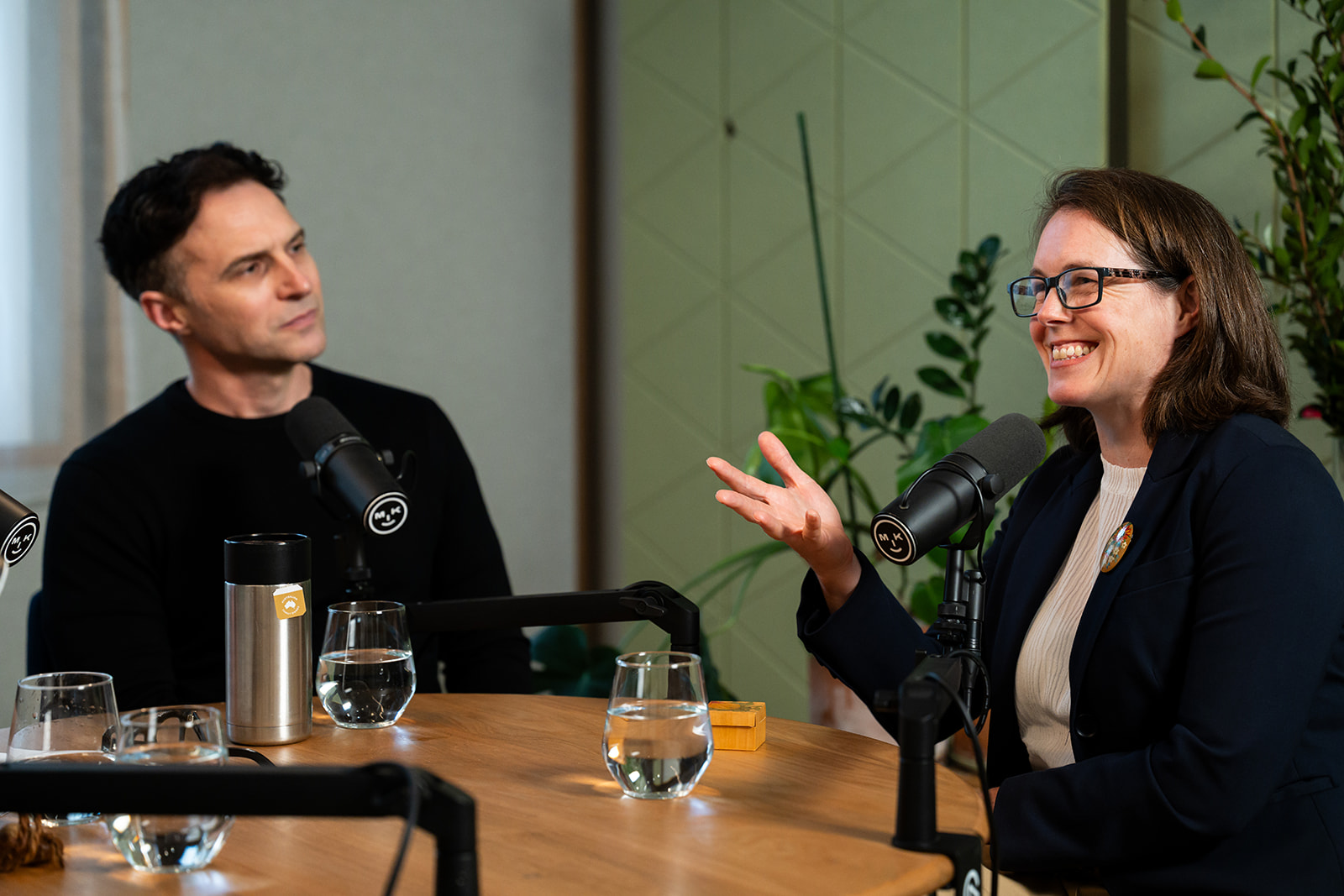
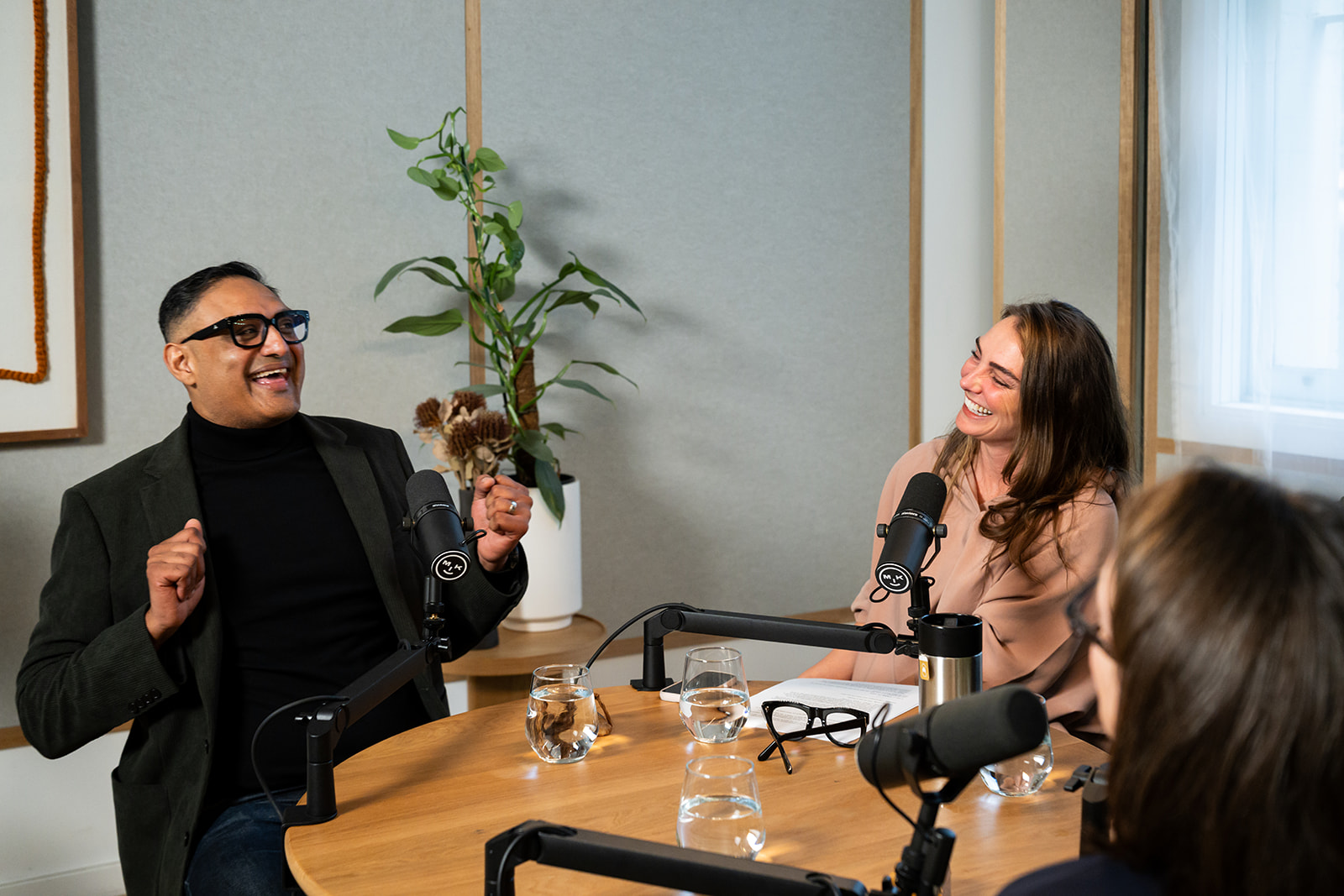
Together, they discuss the interface of LLMs with our psychology. How we make sense of reality when we’re increasingly augmenting our lives with AI, the rise of ‘attachment hacking’ and the daily habits we can pick up to maintain our cognitive security.

The question underneath keeps returning: as intelligence becomes abundant, what does that make precious? What’s really at stake was never intelligence. It’s depth: our willingness to sit with friction, to leave things uncertain, to stay in the kind of connection that asks something of us, at a time when so much is built to spare us all of it.

“Everyone falls in love with AI. If you let it, you will… This is the power of language.”

Maia Gould

“The opposite to addiction is not sobriety. It’s connection.”

Dr Monty Badami

“You don’t need to lose your job to feel the pain and fear of that already.”

Joel Pearson

Show Notes

Around the table

Joel Pearson

Joel Pearson

Professor · Cognitive Neuroscience · Author

A Professor of cognitive neuroscience and psychology at UNSW Sydney, founder of the Future Minds Lab and author of The Intuition Toolkit. His work looks at how the mind makes decisions and adapts as technology reshapes it.

Maia Gould

Maia Gould

Associate Professor · Cybernetics, AI & Bioethics

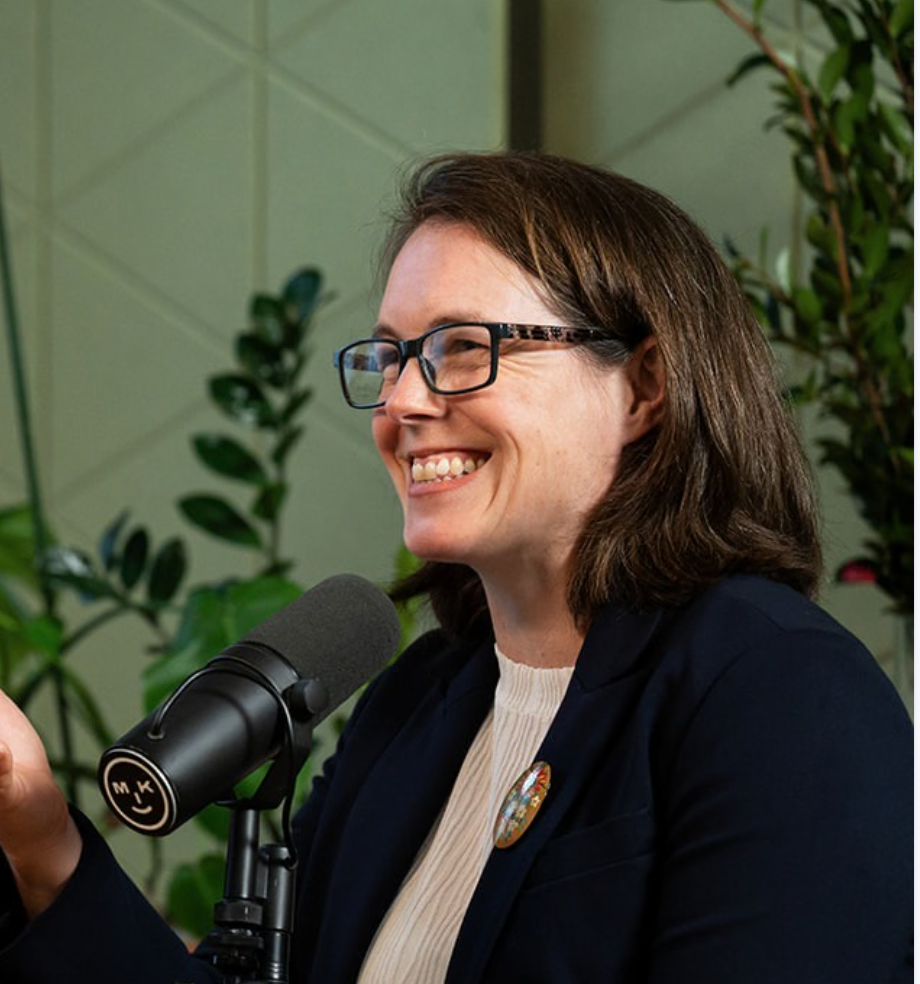
An Associate Professor at the ANU School of Cybernetics, where she works on how we understand, govern and live well with AI as it gets woven into the systems around us.

Dr Monty Badami

Dr Monty Badami

Anthropologist · Army Reserves Officer

An anthropologist, Australian Army Reserve Officer and founder of the social enterprise Habitus. His work centres on how we make meaning and stay connected to one another through relationships, ritual, belief and connection.

Go Deeper

Center for Humane Technology · with Dr. Zak Stein

The Attachment Economy Is Here. We’re Not Ready.

If the attention economy hacked where we look, the attachment economy hacks who we are. On AI companions designed to exploit the bond that shapes our identity, and why the quiet, subclinical preference for machines over people may be the deeper harm.

The New York Times

When Chatbot Conversations Spiral Into Delusion

Reporting on people whose extended use of ChatGPT tipped into delusion and psychosis: spiritual awakenings, hidden conspiracies, a chatbot believed sentient, sometimes with devastating real-world consequences.

MIT Media Lab · Kosmyna et al.

Your Brain on ChatGPT: Accumulation of Cognitive Debt

An EEG study tracking brain activity as people wrote essays with ChatGPT, a search engine, or unaided. The AI group showed the weakest neural connectivity and could barely recall what they had “written”: early evidence of mounting cognitive debt.

More Chapters