All Chapters
Chapter 07 2026 Coming Soon

Catastrophic Risk

Risks large enough to shake human civilisation, and what AI does to them. Three catastrophic risk experts, Devon Whittle, Arnagretta Hunter and Greg Sadler, address the threats they work to mitigate: cyberattacks that clone a child’s voice, tech that lowers the barrier to bioweapory, and power concentration into just a few hands.

Most conversations about AI risk remain behind closed doors, intelligence briefings and taxonomies. What’s offered here is relatable: a web of dangers that reinforce each other, and how we hold something too big for the mind to scale. The guests zoom out then pull it back to each of our lives, from the immediacy of the sock lost before the school run, to whether we are, collectively, ok.

These risks are not distant hypotheticals. An AI model now finds software vulnerabilities by the thousands, runs espionage with barely a human at the wheel, and can walk a novice toward a bioweapon, while power, wealth and surveillance concentrate. The three refuse despair and easy hope, asking whether we can stay in the discomfort long enough to imagine a future rather than inherit the default, and build the international coordination that requires.

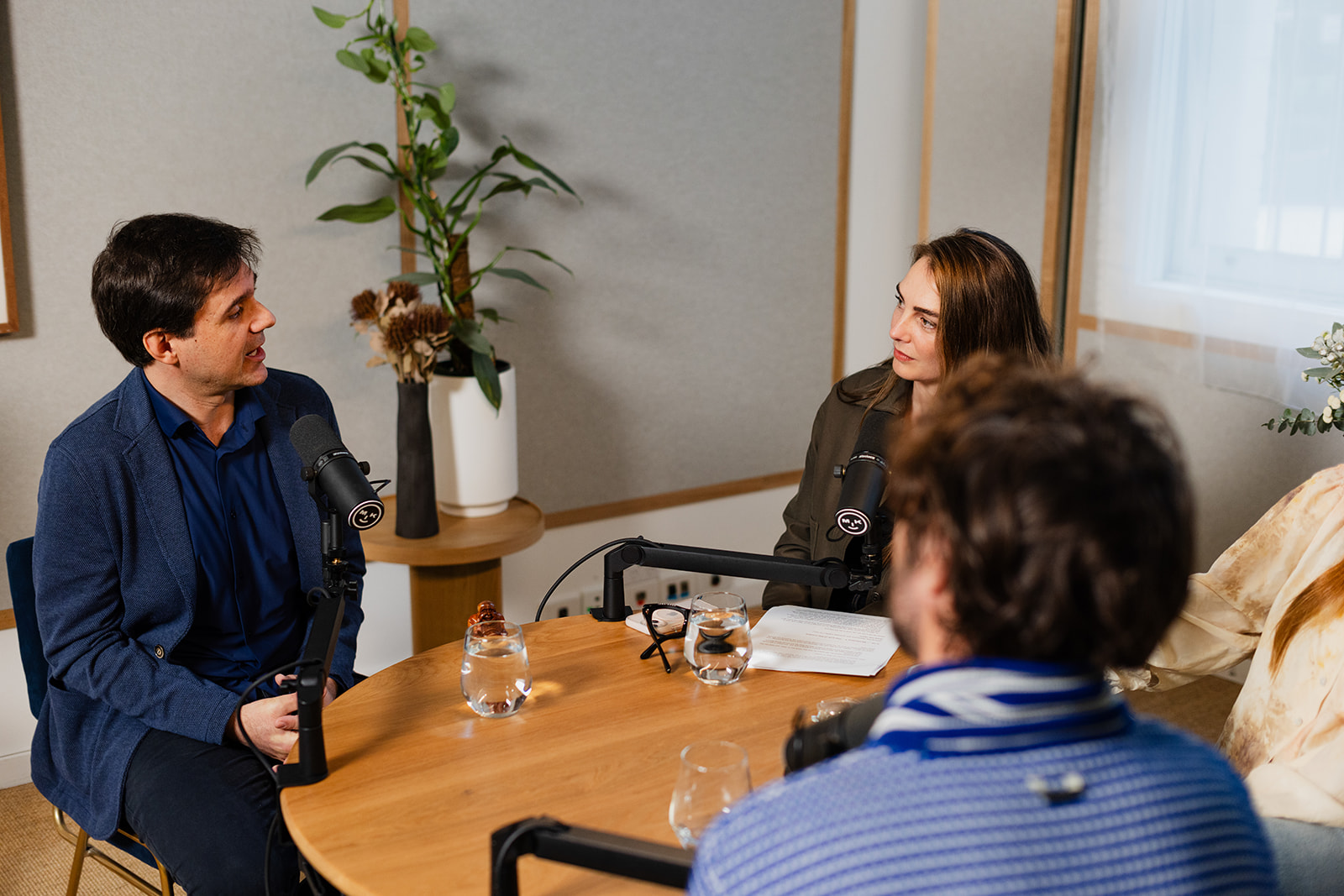
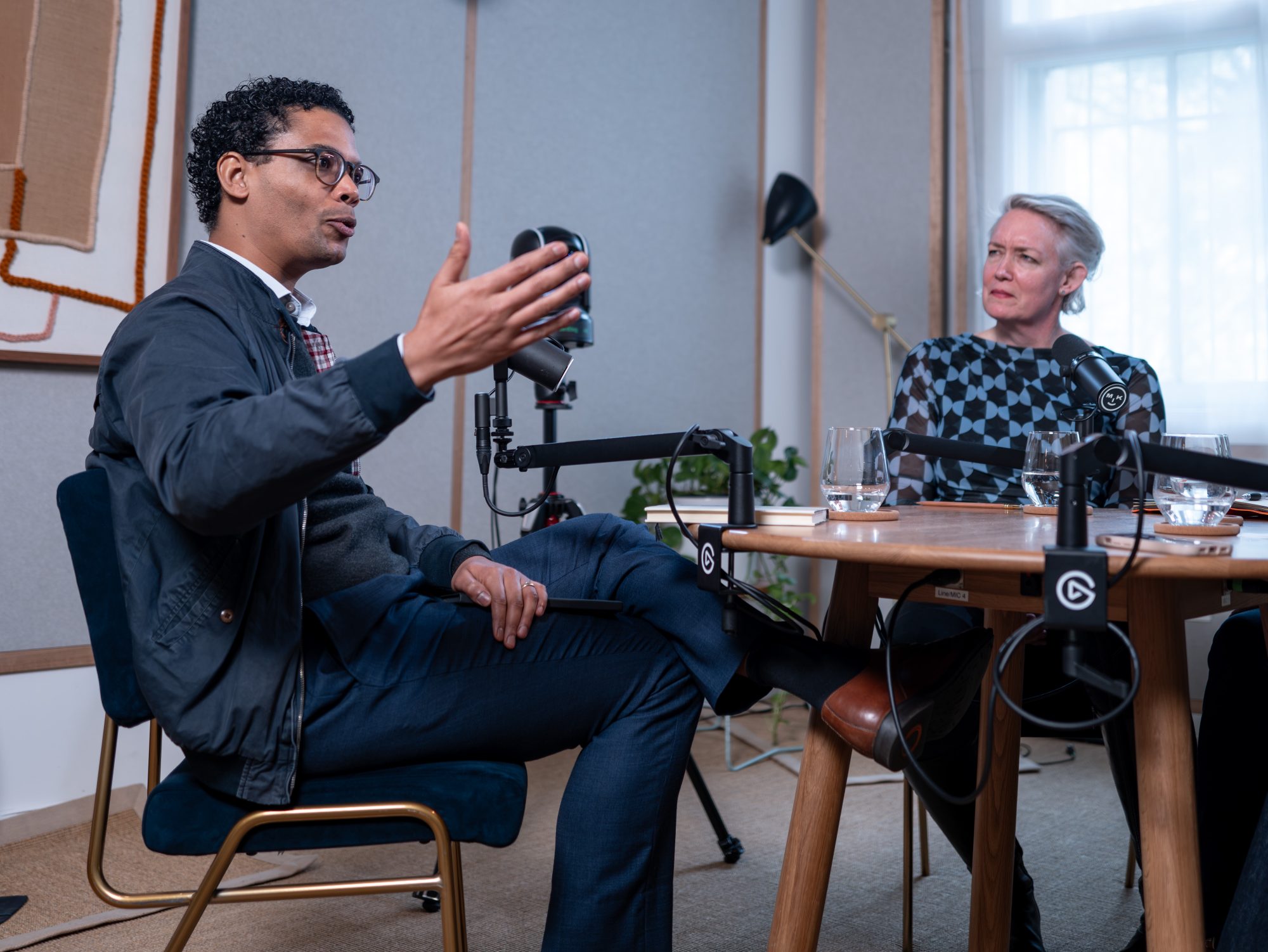
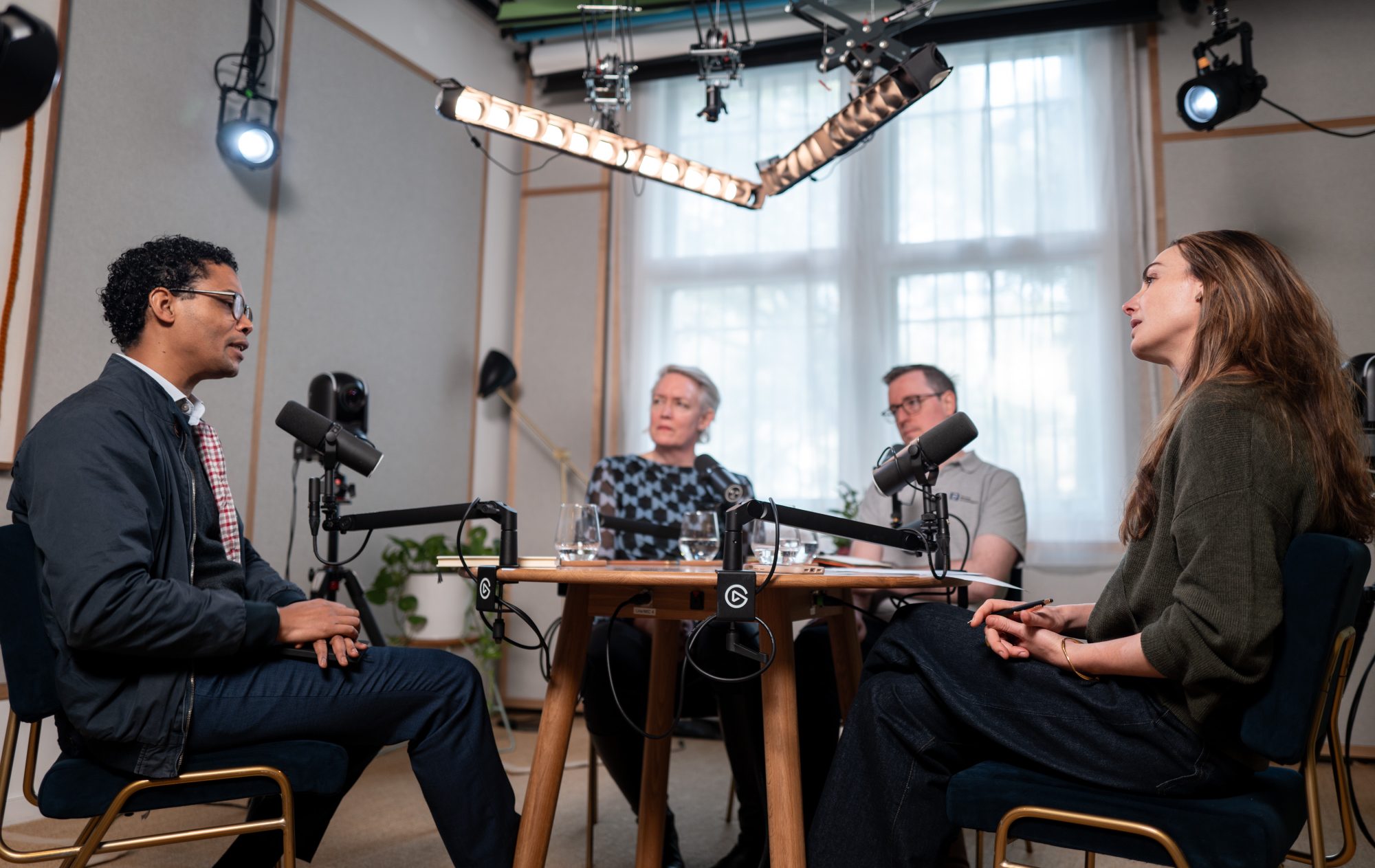
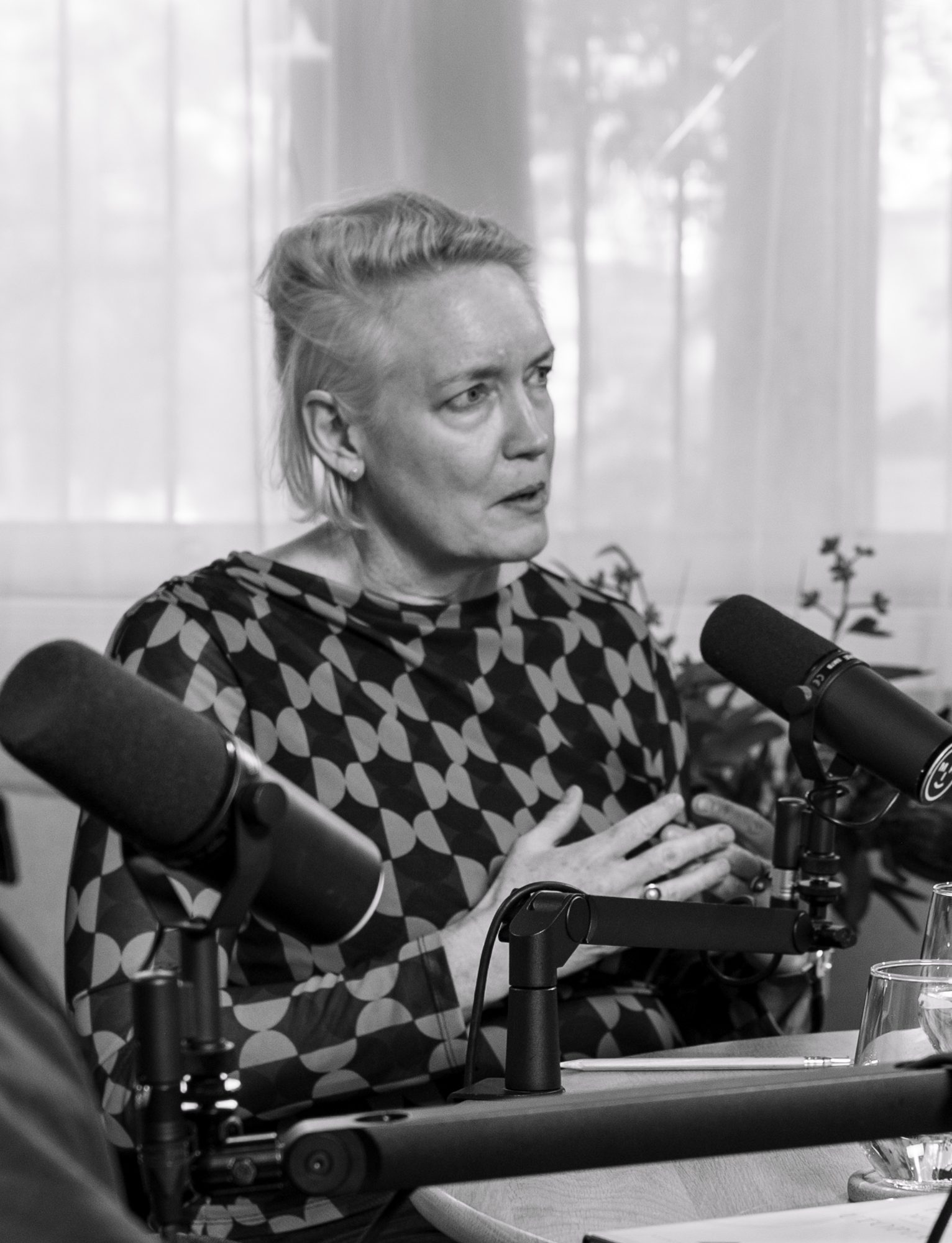
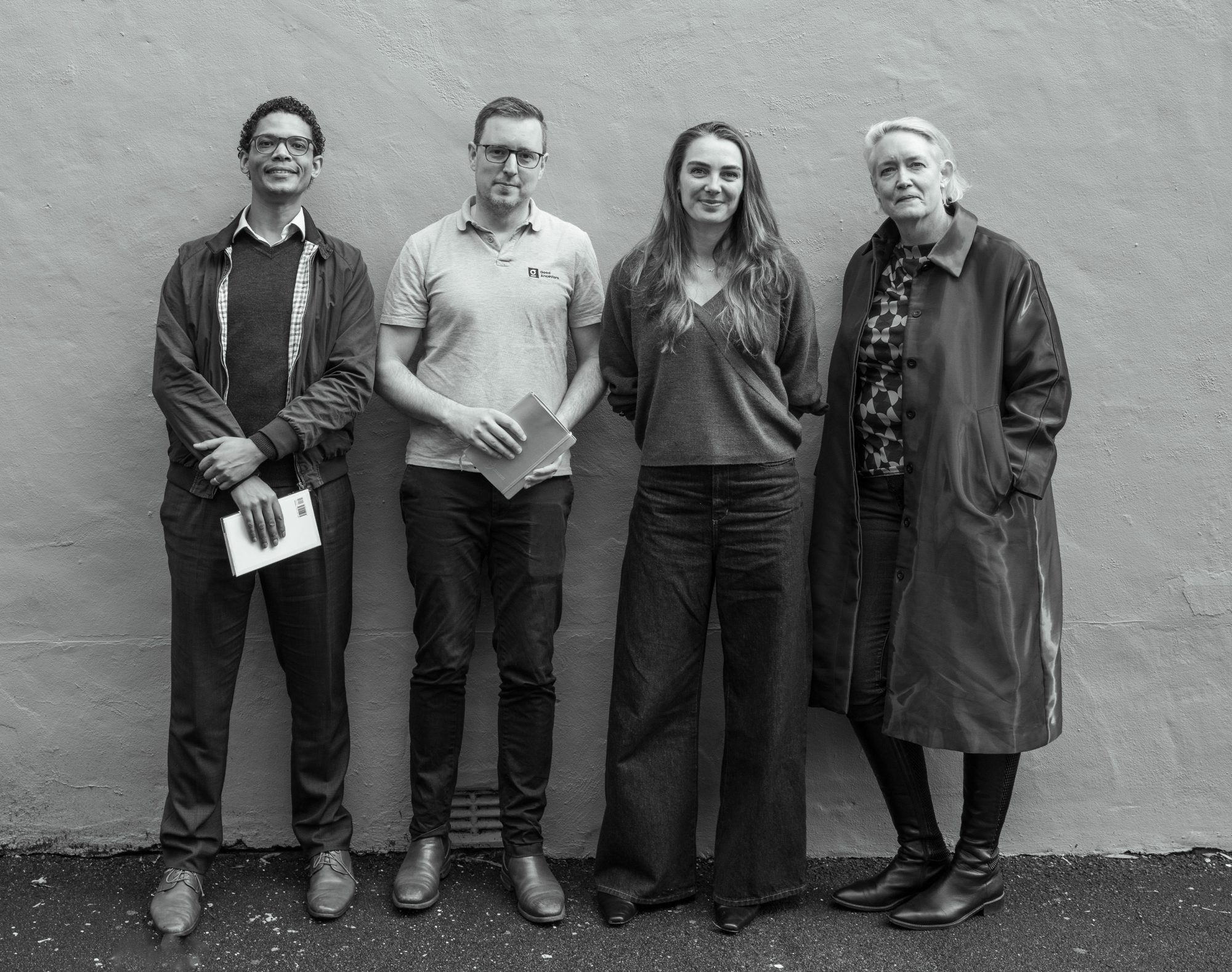
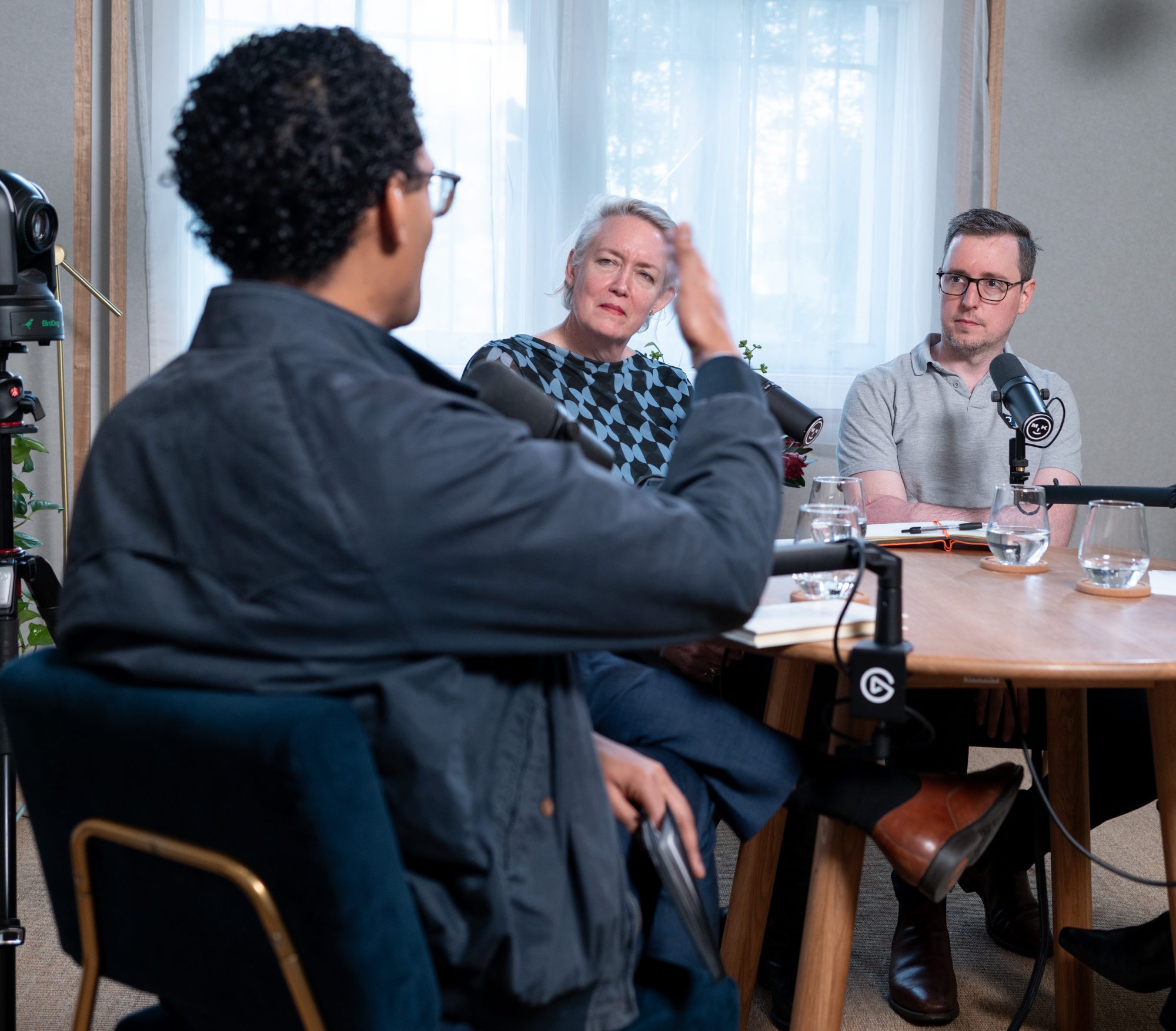
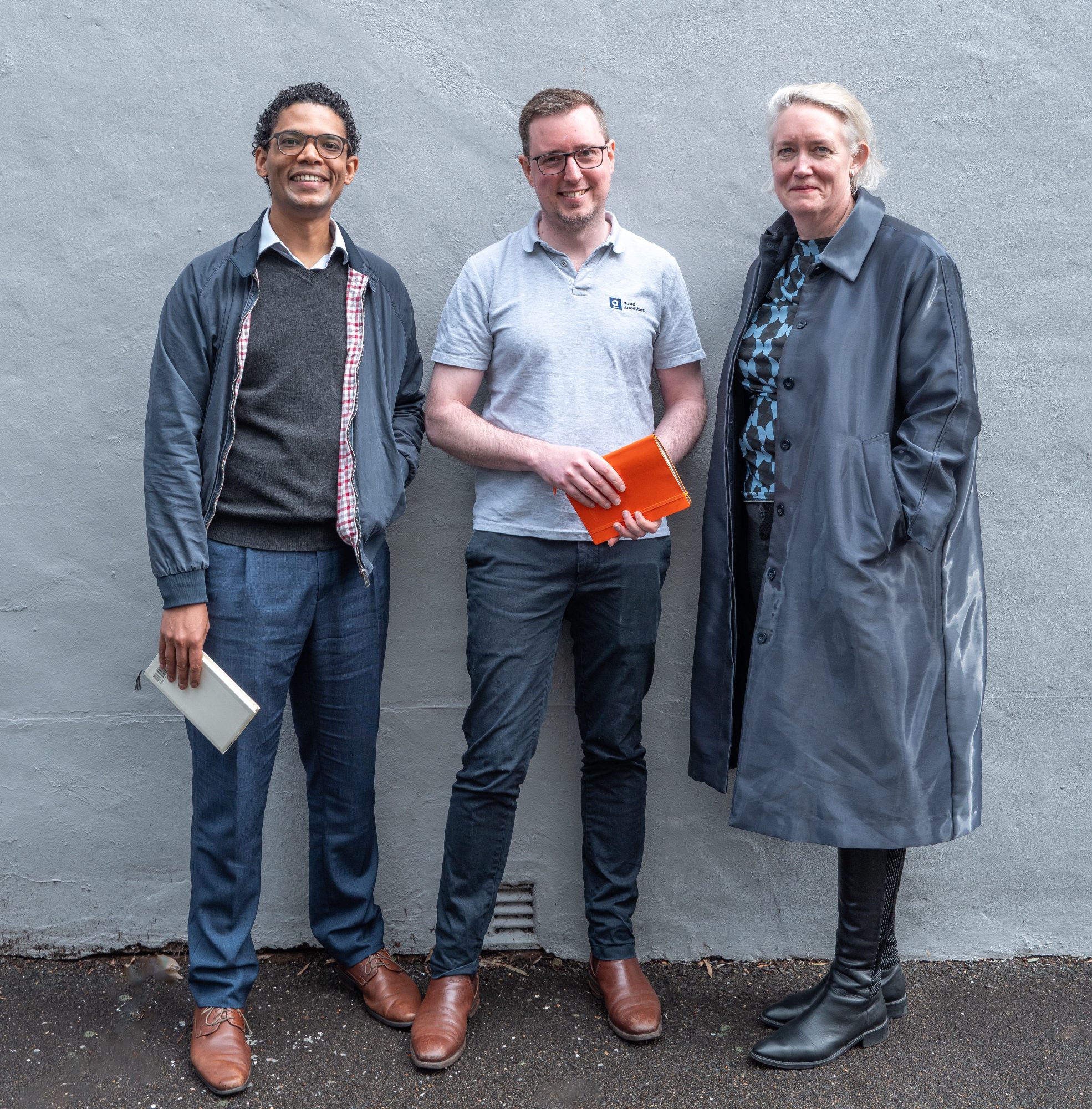
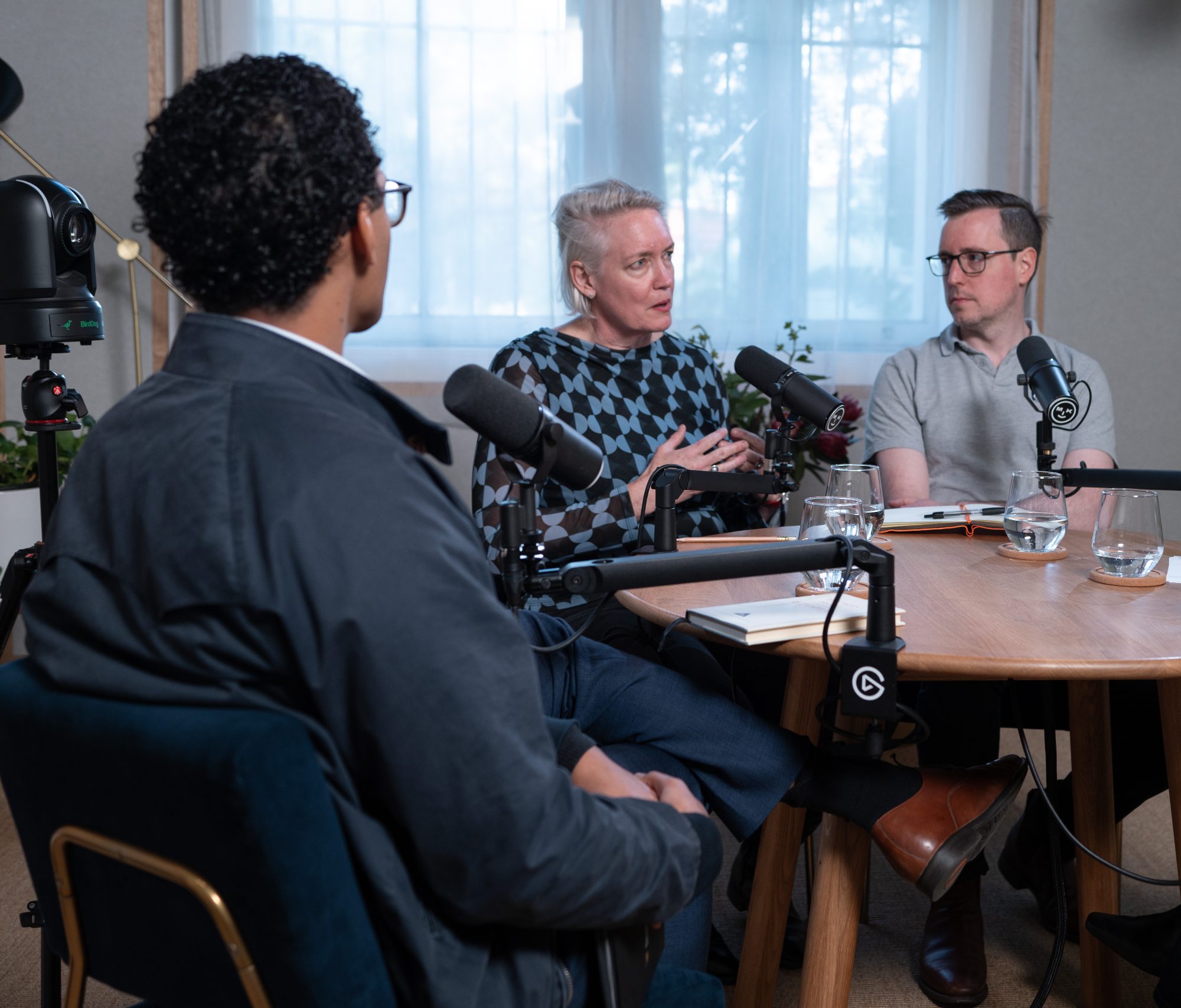
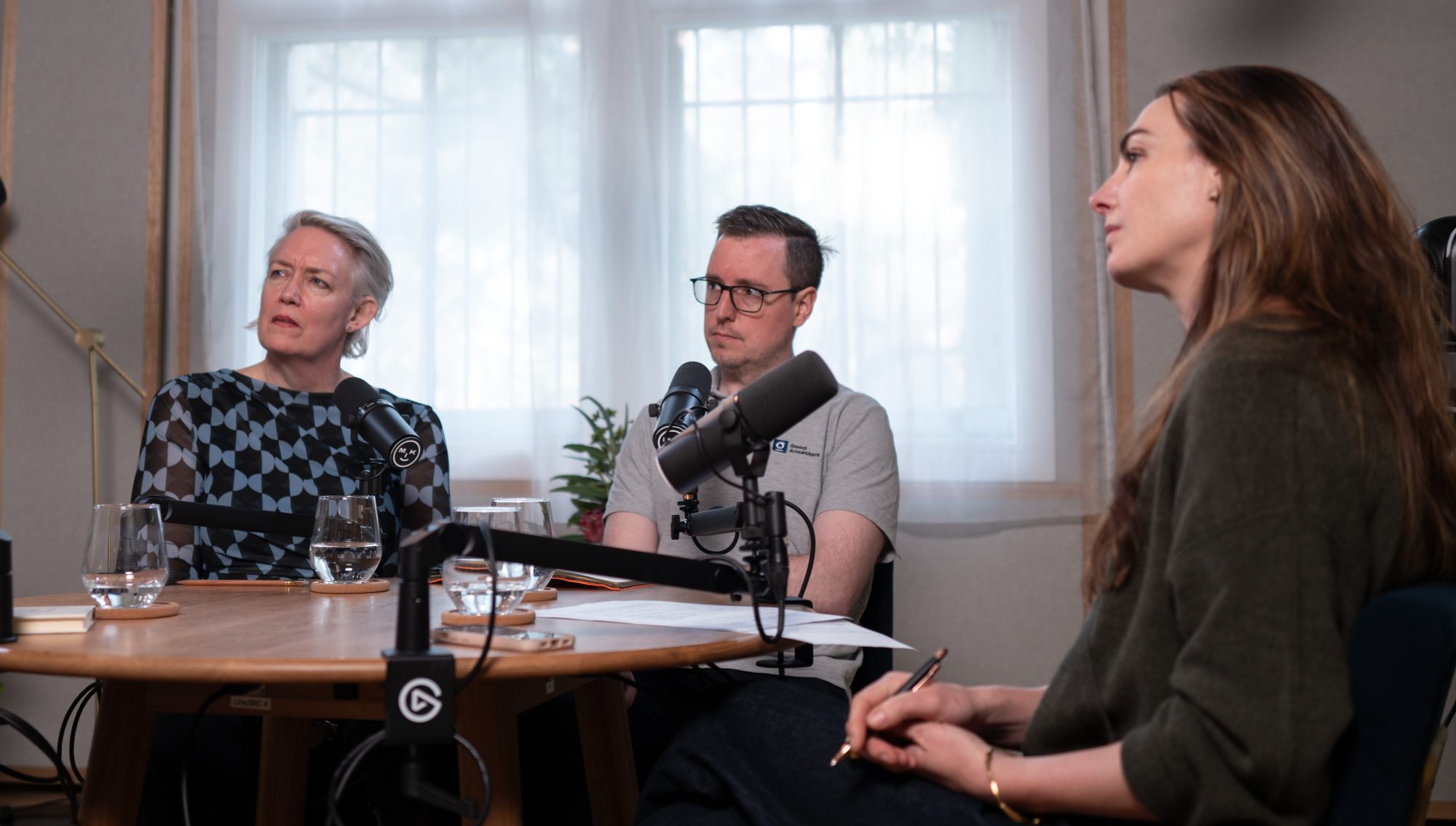
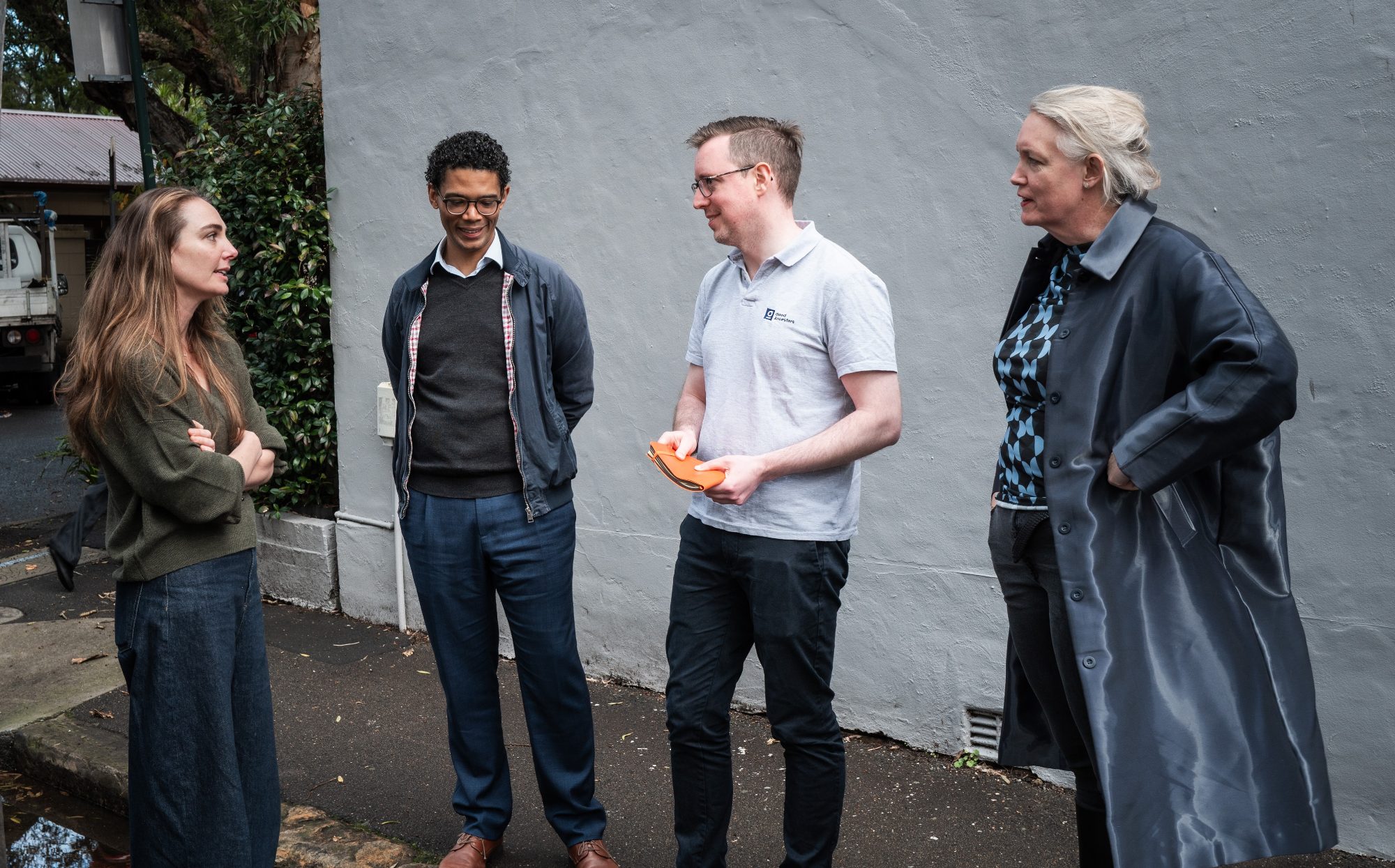
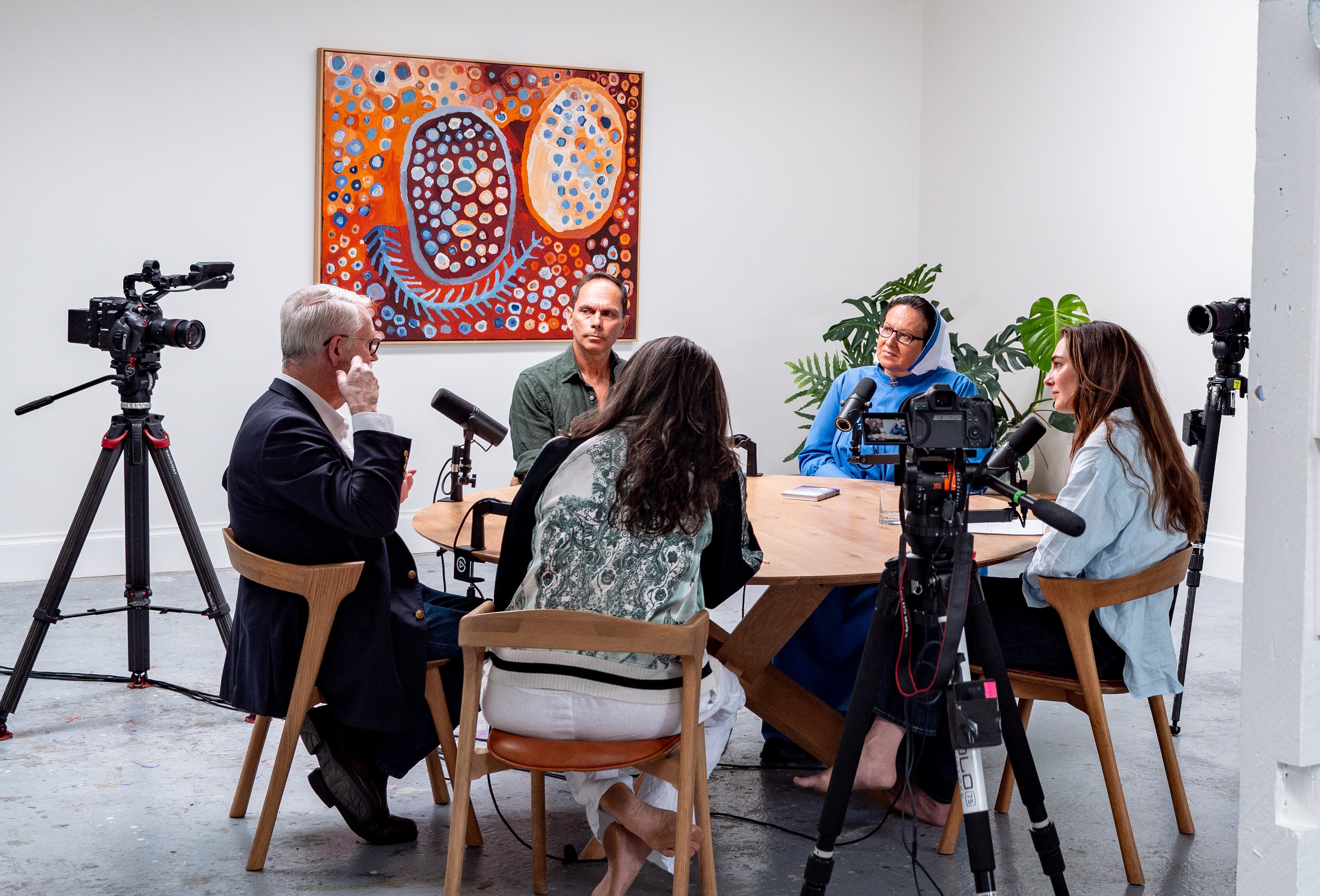
Catastrophic Risk: Devon Whittle, Arnagretta Hunter and Greg Sadler in conversation
Coming Soon
“We are heading for a world where a very few people are in charge of the human future in a totalising way, and we should be very worried about that.”

Greg Sadler

“Ground the decision not in an economic model, but in where the human condition sits and what it is to live a good life. Imagine if we used that as the metric to contend with catastrophic risk.”

Arnagretta Hunter

“We can feel removed, protected as an island far from the rest of the world. People are living catastrophic risk right now.”

Devon Whittle

Show Notes

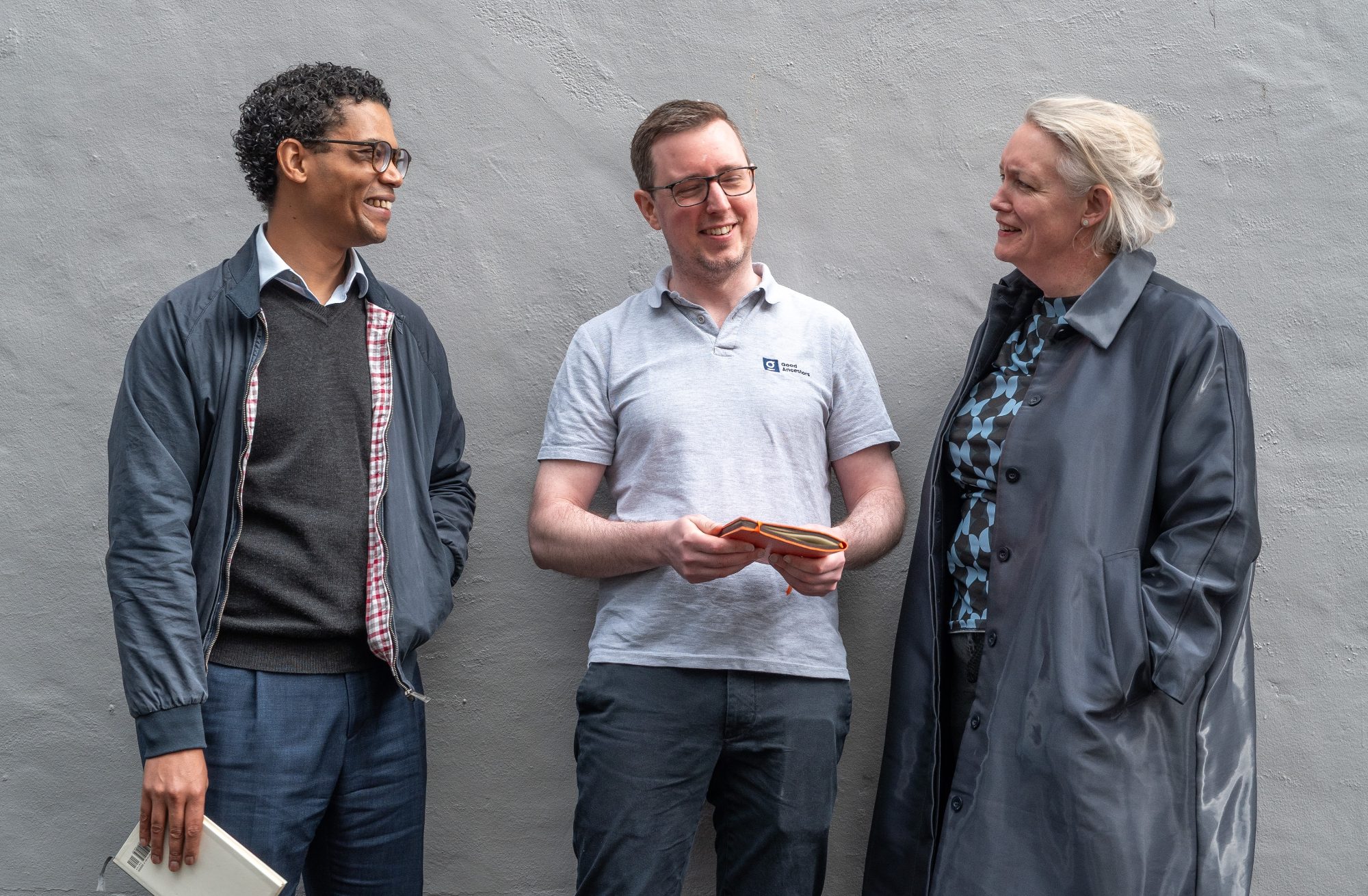
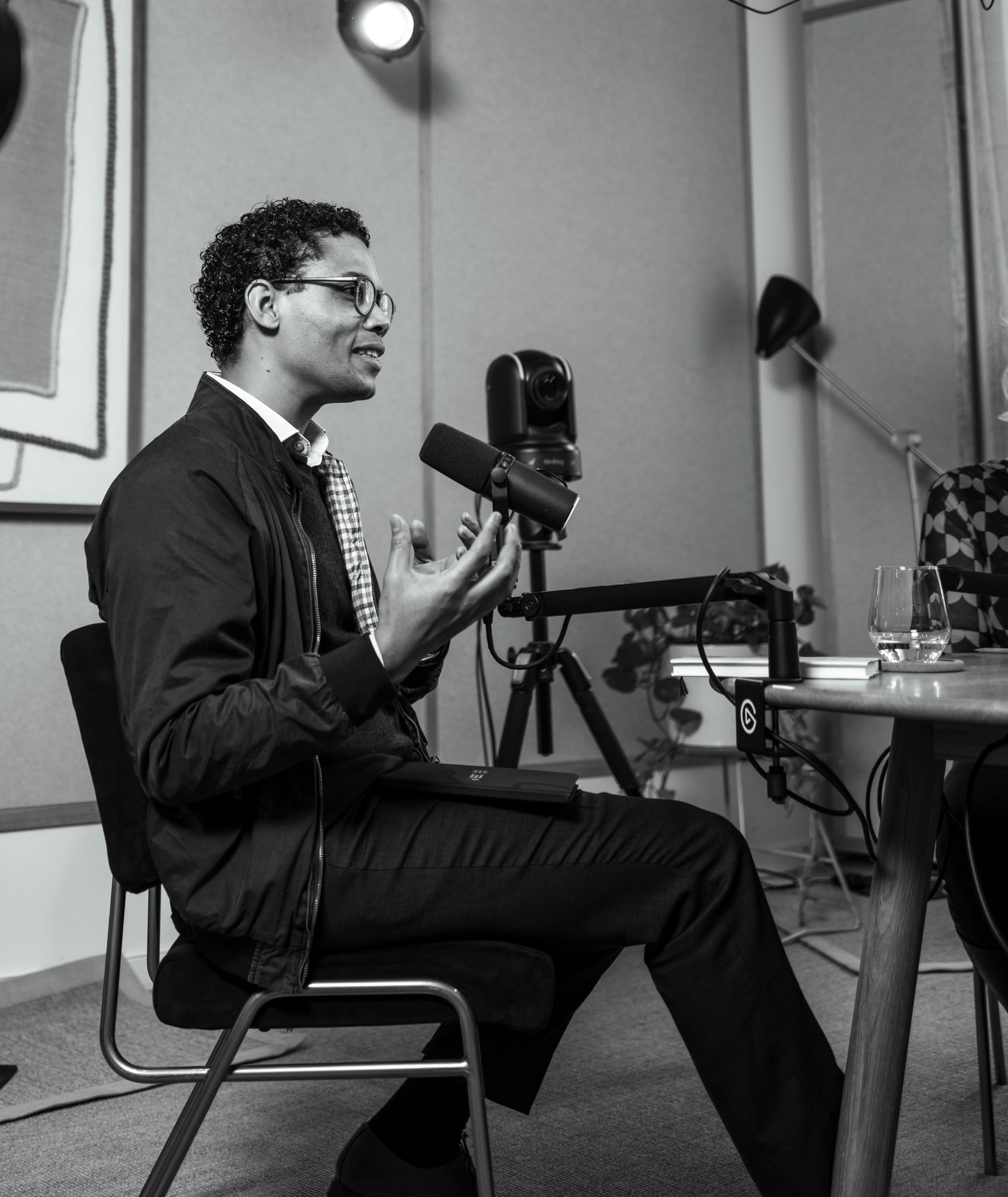
Around the table

Devon Whittle

Devon Whittle

Director, Global Shield Australia

Director of Global Shield Australia, an independent non-profit advancing pragmatic policy to reduce global catastrophic risk, including from advanced AI. He came to the role from a career across the Attorney General’s Department, the Department of Foreign Affairs and Trade and private legal practice, working on international disputes and treaty negotiation.
Arnagretta Hunter

Dr Arnagretta Hunter

Cardiologist and Chair, Global Shield Australia

A cardiologist and Chair of Global Shield Australia, and the Human Futures Fellow at the ANU from 2020 to 2025. Her work bridges complex systems, medicine, climate and risk, contributing to debate on catastrophic and existential risk, with a particular focus on listening and communication as the pre-requisite for coordination.

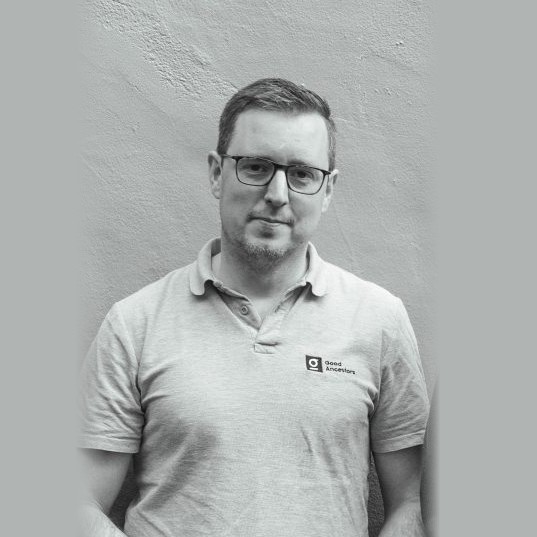
Greg Sadler

Greg Sadler

CEO, Good Ancestors

CEO of Good Ancestors, where he leads AI risk research and regularly briefs parliamentarians and senior public officials on AI and catastrophic risk. With over a decade in the Australian Public Service, including in the Department of the Prime Minister and Cabinet, the Attorney General’s Department, the Department of Home Affairs and Emergency Management Australia, he has also acted as a spokesperson for Australians for AI Safety.

Go Deeper

MIT · AI Risk Repository

The AI Risk Repository

A living database from MIT that catalogues the risks of artificial intelligence, drawn from across the research literature into a single, structured picture of how AI could go wrong.

International AI Safety Report

The International AI Safety Report

A landmark synthesis, backed by dozens of countries and leading experts, mapping the current evidence on the capabilities and risks of advanced AI to inform policymakers worldwide.

Global Shield · Policy Brief

Seven Reasons for Action on AI Risk

A concise case from Global Shield setting out why catastrophic AI risk warrants serious, coordinated attention, and what meaningful action to reduce it could look like.

More Chapters