










All Chapters
Chapter 02 2026

Collapse of Systems, not our Humanity

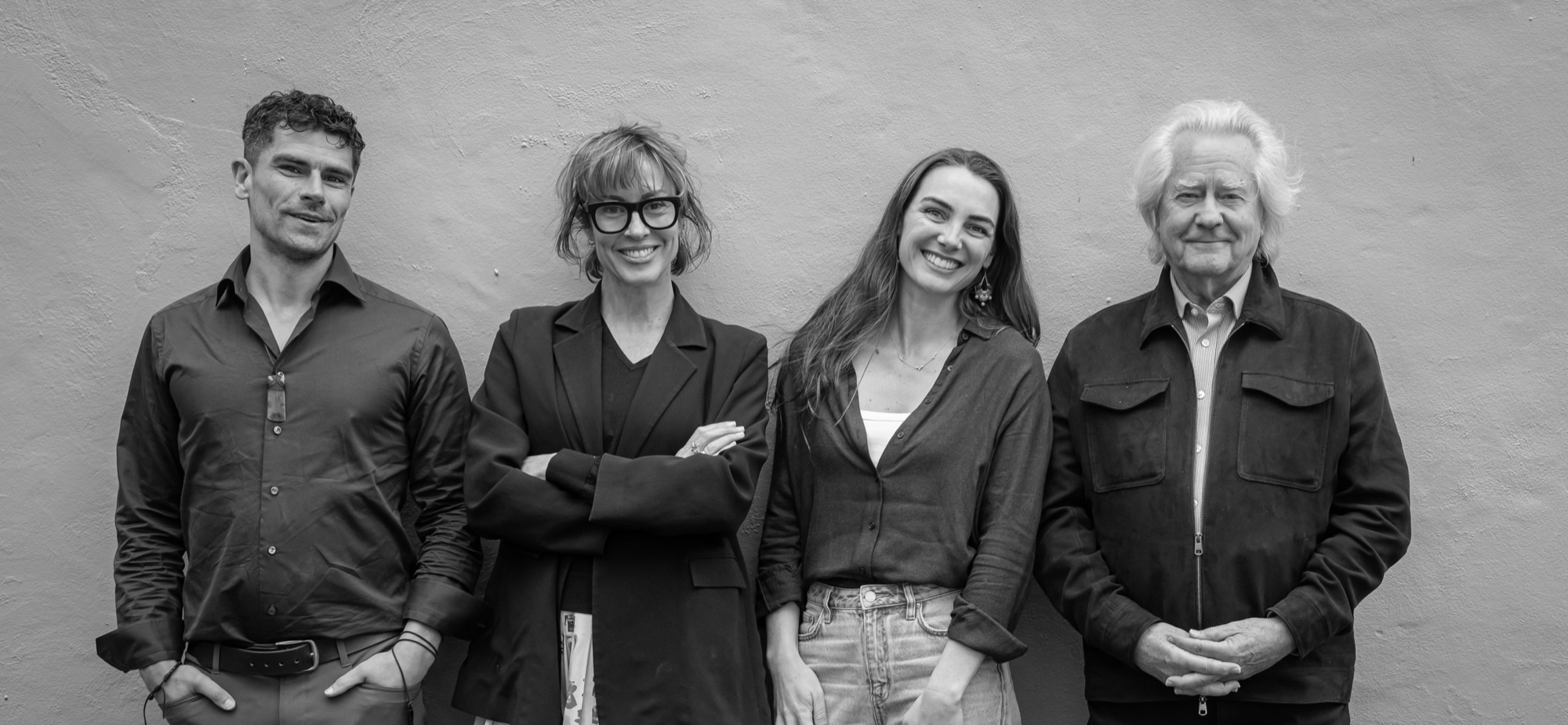
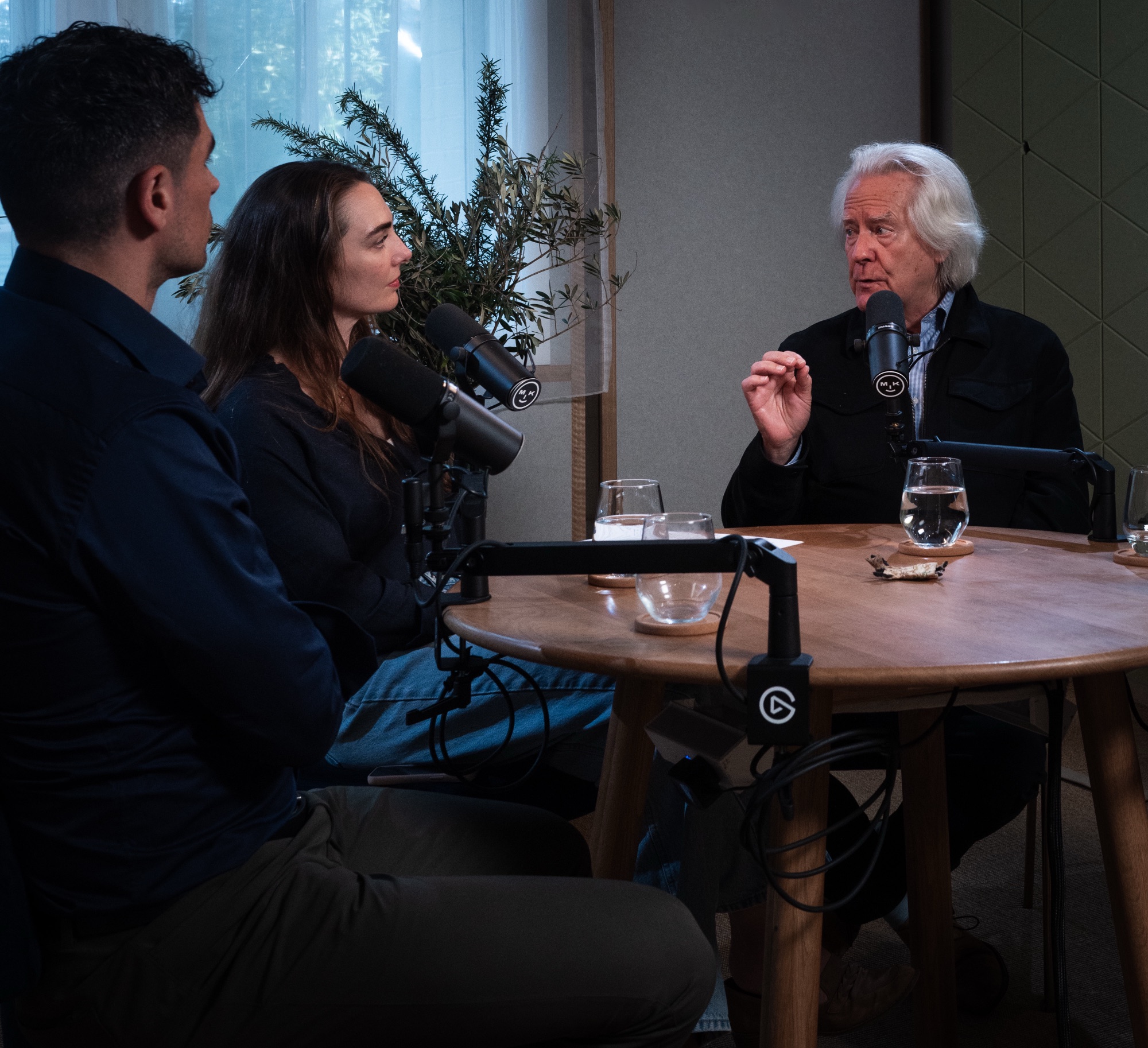
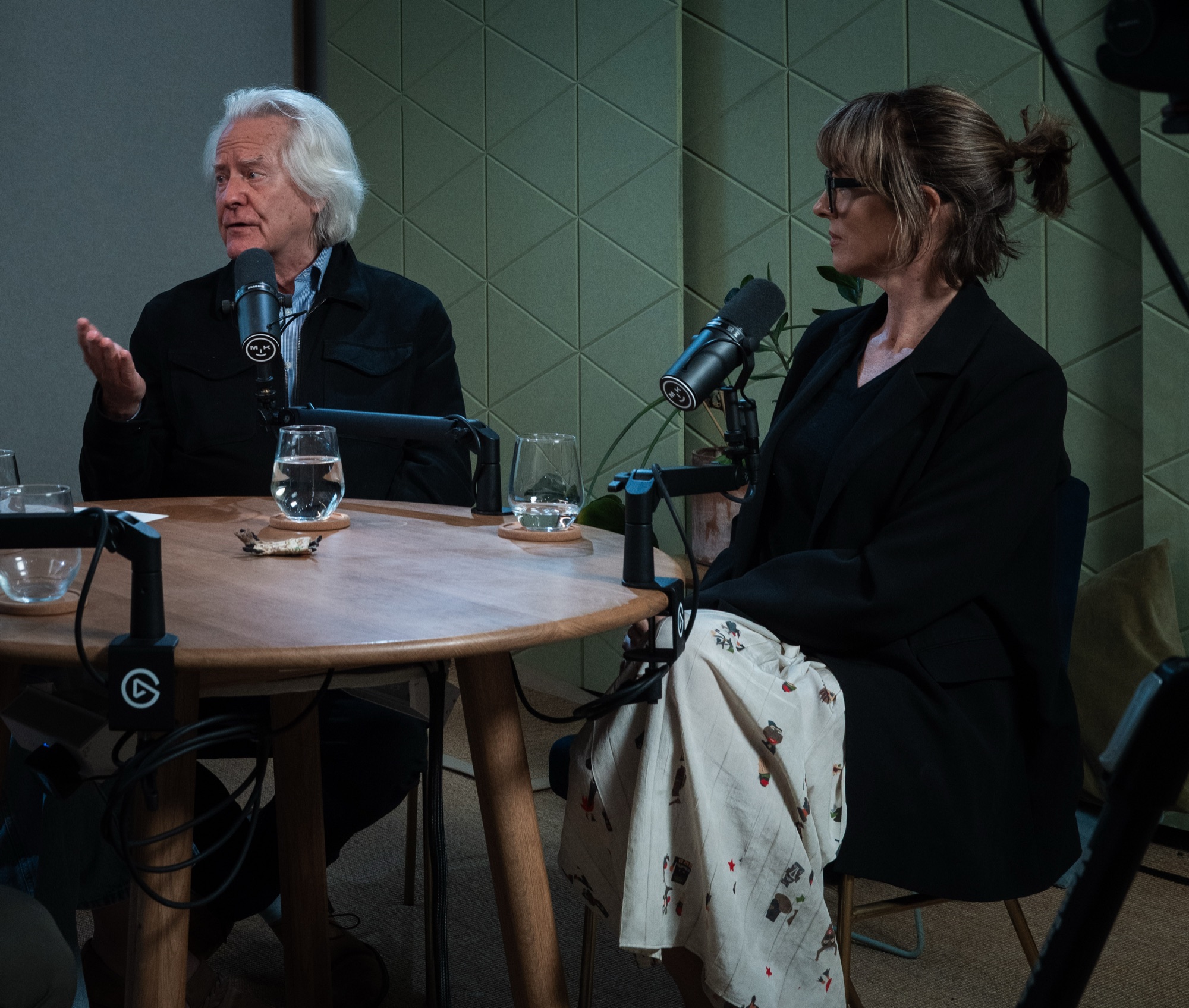
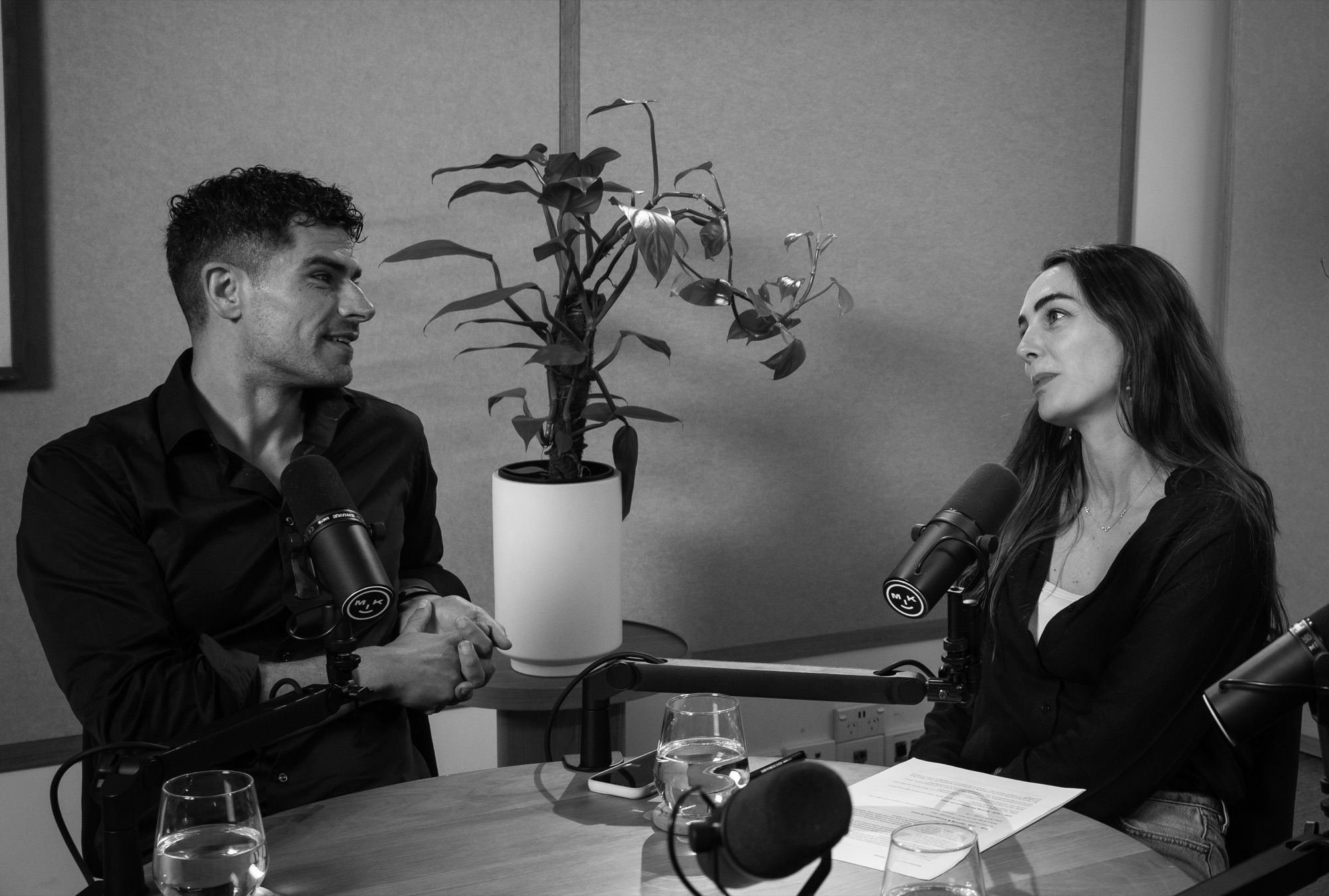
Author and journalist Sarah Wilson, philosopher AC Grayling and existential risk researcher Luke Kemp bring three vantage points to the same unravelling. Civilisations have always fallen like great Goliaths, but this one is global, and the weapons in its hands are totalising: nuclear, algorithmic, atmospheric.

Compounding these weapons is the logic that wields them. A handful of actors locked in a race no one wins, and the assumption that whatever can be built should be.

The question is not whether we are in collapse, but what survives it. We are far better cooperating than competing in the face of this leviathan, change that draws its force from the ground up as much as from coordination across borders. This is the fork. Small right moves are contagious, and no one is coming to save us. We are the adults in the room.

To be human is to be attuned to the living world, both magnificent and destructive. Untether from the mythology of more, and the system collapsing us may be the one we outlast.

“The whole thing is a basket of catastrophes.
The one remaining little creature of hope is that people wake up,
and recognise that our children and grandchildren
are going to need a world worth living in.”

A.C. Grayling

“Three big AI companies who are hell-bent.
86% of nuclear stockpiles are held by two countries.
80% of global emissions come from just 10 countries.
This is not because of all of us. This is not inevitable.
This is something we can reverse.”

Luke Kemp

“We can narrow this collapse down to systemic collapse,
not the collapse of humanity.
But that’s our choice.”

Sarah Wilson

Show Notes

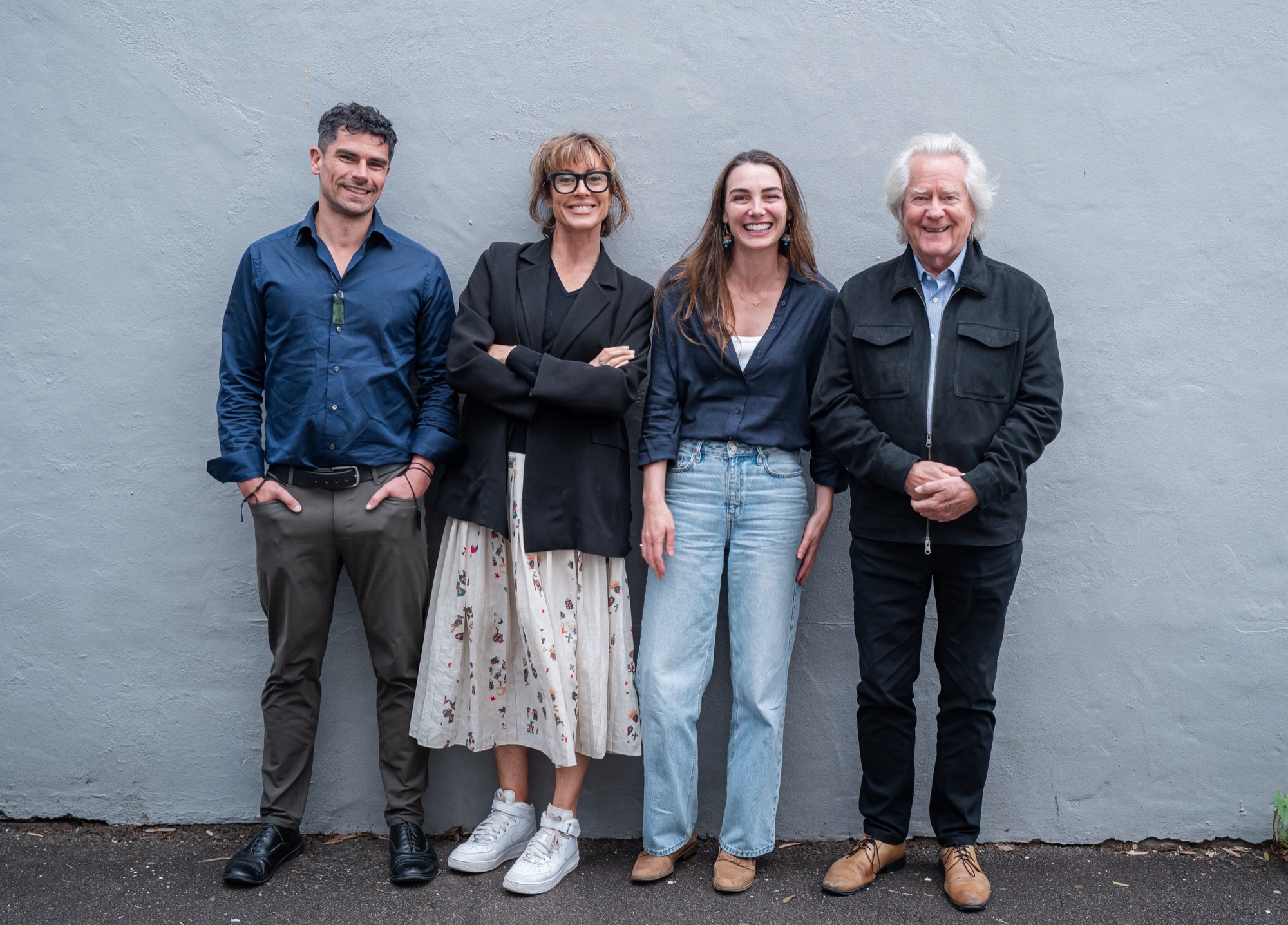
Around the table

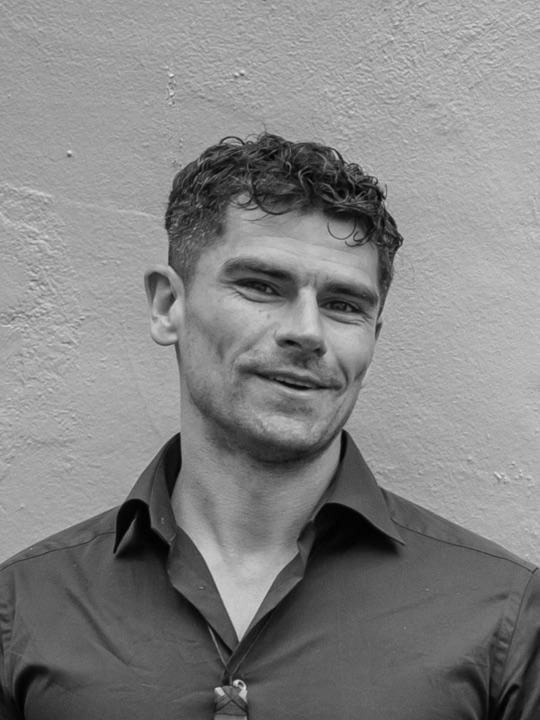
Luke Kemp

Luke Kemp

Research affiliate · Centre for the Study of Existential Risk, University of Cambridge

A research affiliate at the Centre for the Study of Existential Risk at the University of Cambridge, and author of the recent Goliath’s Curse. Kemp has lectured in economics and human geography, and has advised the World Health Organization, the Australian Parliament, the UN Convention on Biological Diversity, and many other institutions. His research has been covered by The New York Times, the BBC and The New Yorker.


Sarah Wilson

Sarah Wilson

Author and social philosopher · host, Wild podcast

A multi-New York Times bestselling author and social philosopher, Wilson founded the global I Quit Sugar movement and wrote First, We Make the Beast Beautiful and This One Wild and Precious Life. She now explores modern philosophy, existential risk and climate change through her recent book I Eat the Stars, the Wild podcast and her Substack. Sarah lives nomadically between Paris and Sydney.

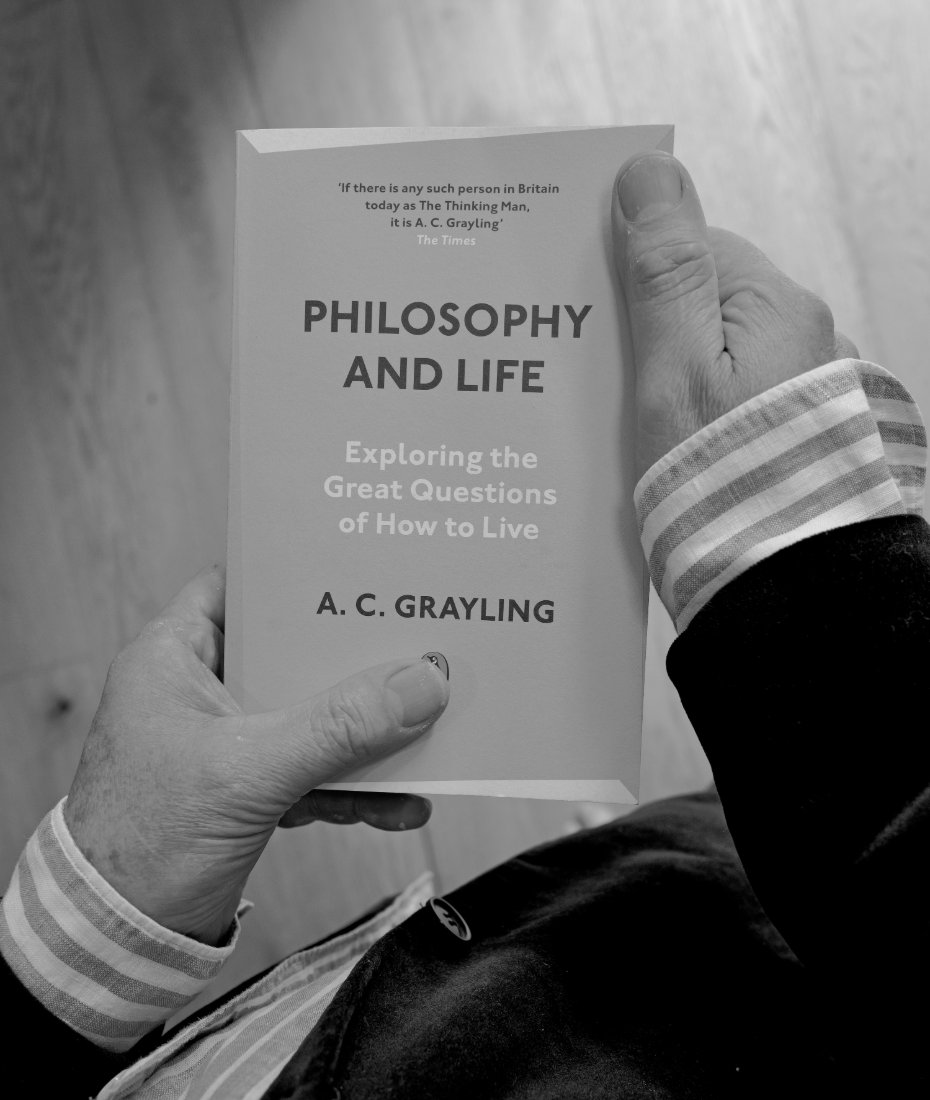
A.C. Grayling

A.C. Grayling

Philosopher · Principal, Northeastern University London

A British philosopher and Principal of Northeastern University London, Grayling is the author of more than thirty books on philosophy, ethics and democracy, including Democracy and Its Crisis, Who Owns the Moon? and the 2025 Discriminations. A prominent public intellectual, he has long argued that representative democracy is structurally failing, and that stewarding civilisation through this moment requires concrete institutional reform, not despair.

Go Deeper

The Consilience Project

Challenges to Making Sense of the 21st Century

Our capacity to understand the world is itself part of the crisis. On how a degraded information ecology and failing sense-making undermine the collective judgment a functioning society depends on.

Global Sustainability · Lawrence, Homer-Dixon et al.

Global Polycrisis: The Causal Mechanisms of Crisis Entanglement

The peer-reviewed paper that gave the polycrisis its definition. It maps how distinct global crises, ecological, economic, political, entangle and amplify one another, so the harm of the whole exceeds the sum of its parts.

Noema Magazine · Otto Scharmer

We May Be Entering a Second Axial Age

The transition from small hunter-gatherer societies into complex civilizations gave rise to the first Axial Age. Today, the planetary polycrisis of climate chaos, mass migration, increasing warfare and transformative AI represents a rupture of comparable magnitude.

More Chapters